


> Portfolio > The People of the Anavilhanas
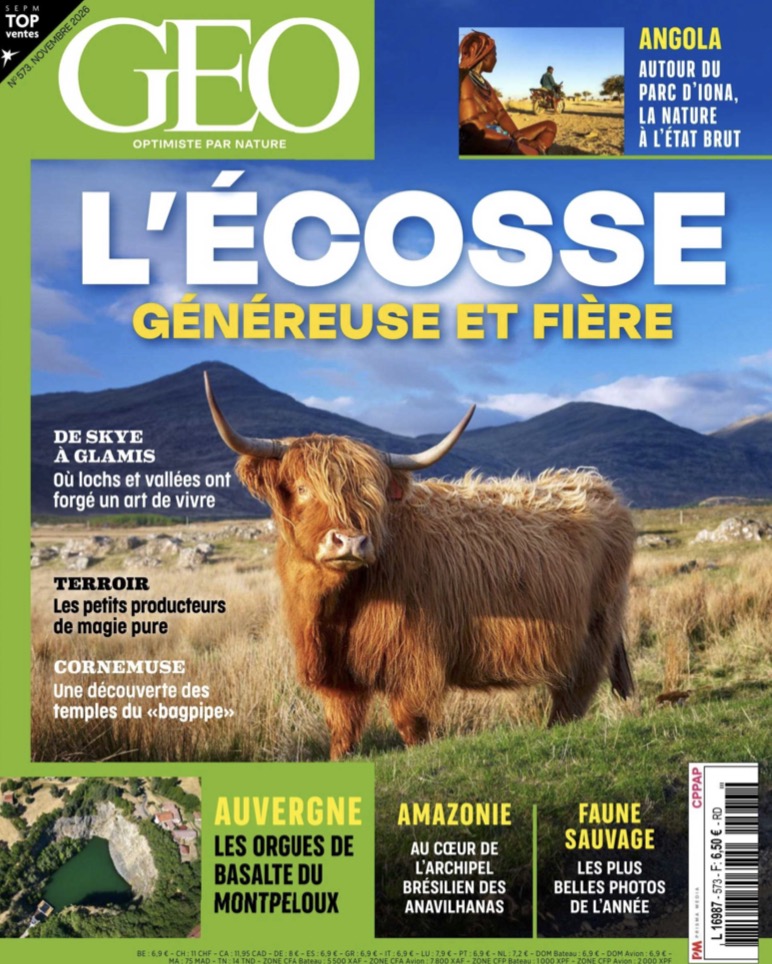
in the heart of the Brazilian Amazon
Photos and text for GEO magazine by Franck Vogel and perspective by Erik Orsenna.
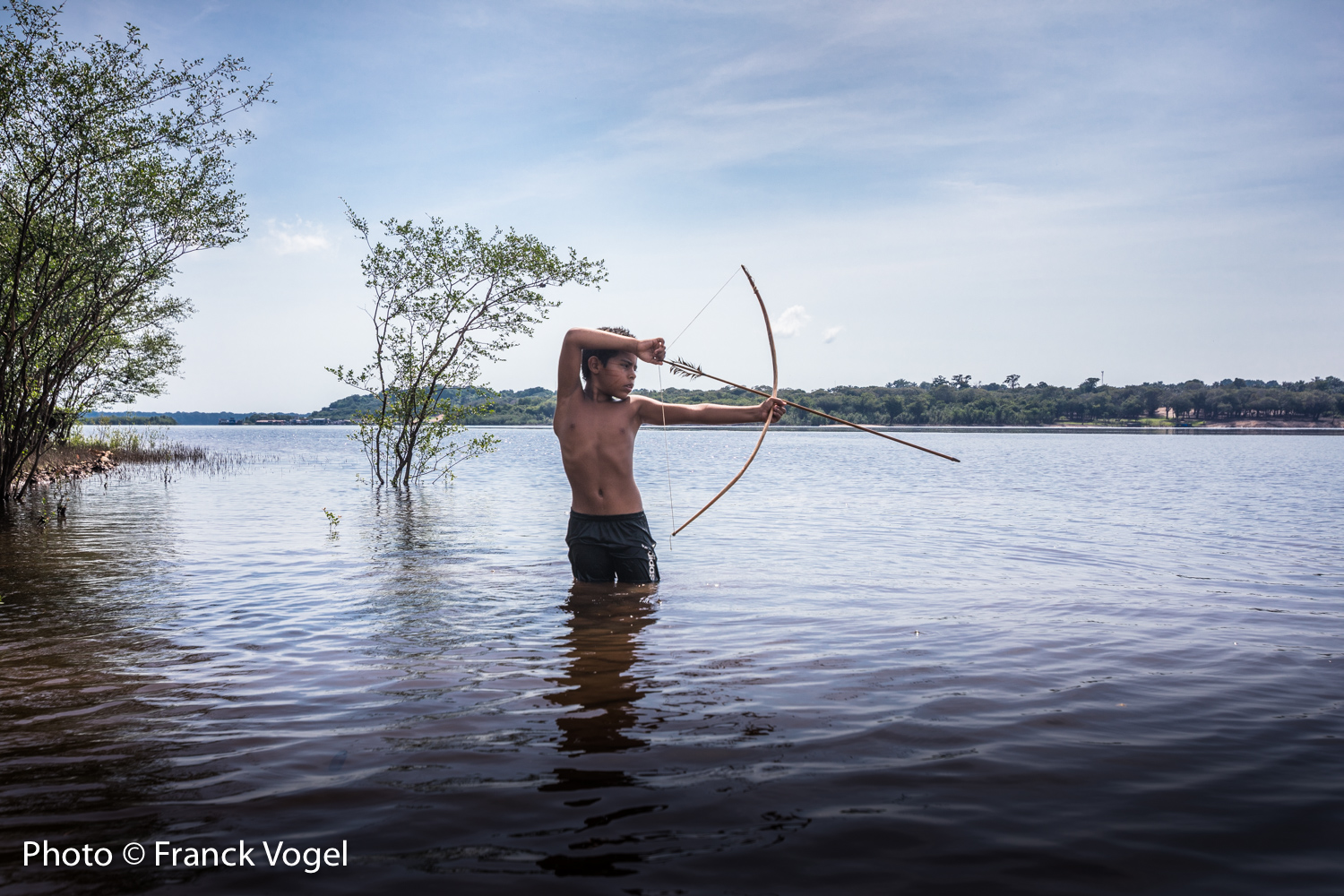
José Pancracio Da Silva glides noiselessly along the Rio Cuieiras toward a spot he knows well, about thirty minutes by dugout canoe from his village, Nova Esperança. Before even touching his net, he straightens up and closes his eyes for a moment... When José fishes, he doesn't simply cast his trap into the water and wait for needlefish and nannacaras to get caught. First, in a low voice, he asks permission from the dono da água, the master of the water. A few words murmured in a mysterious tongue, almost a prayer. It is an ancestral ritual, yet also a pact: accepting to be neither owner nor conqueror here, only a guest. Taking one's share, and no more.
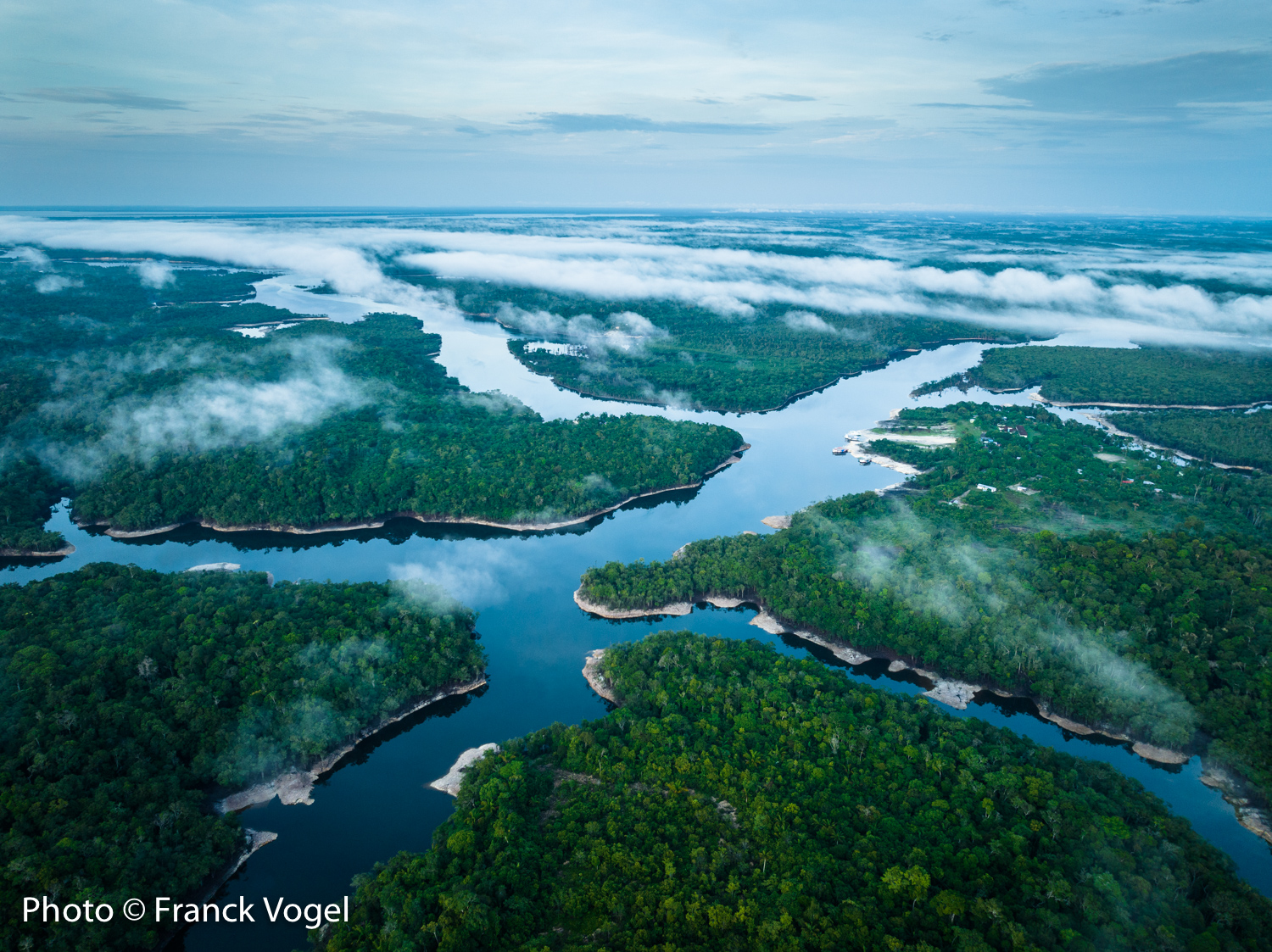
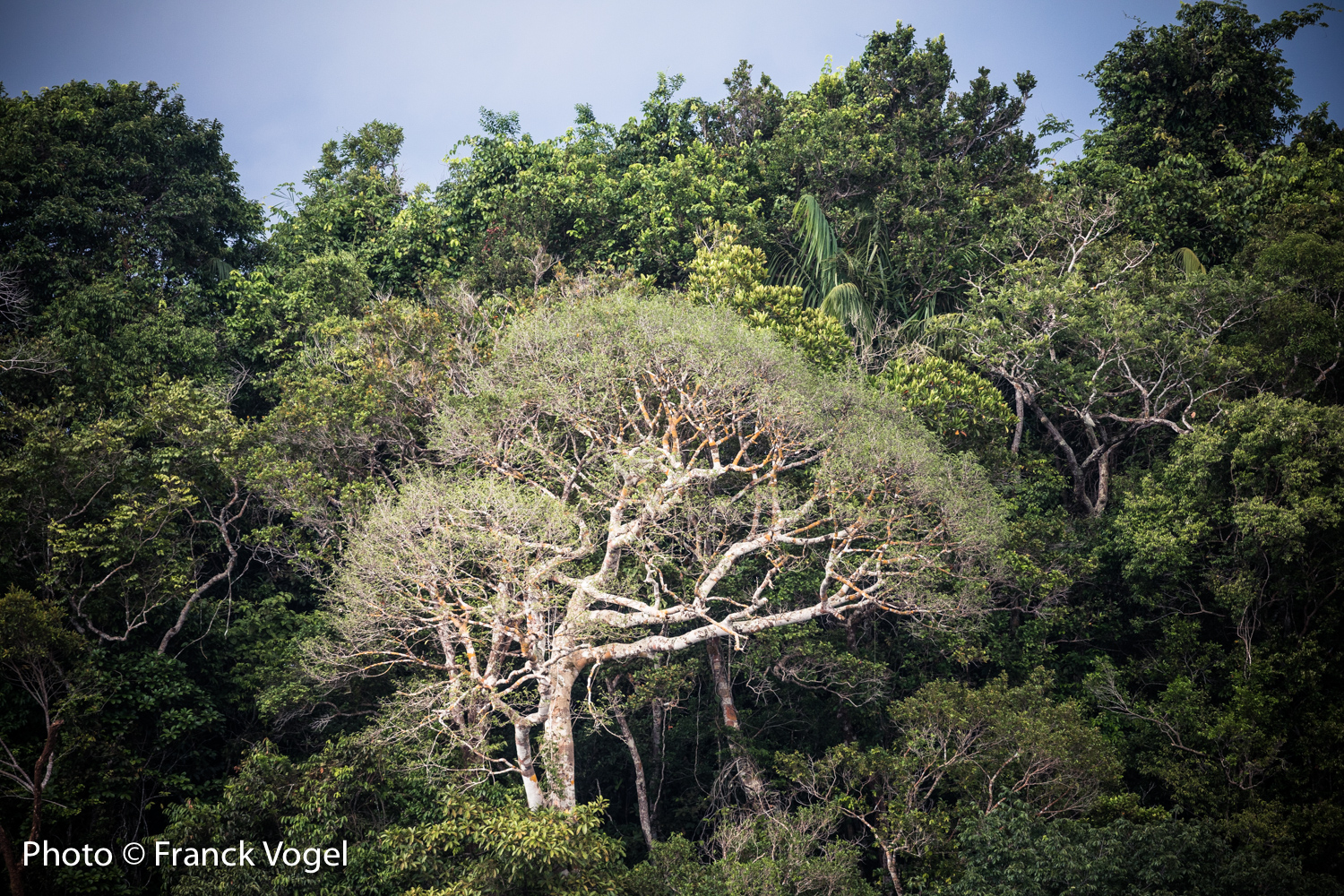
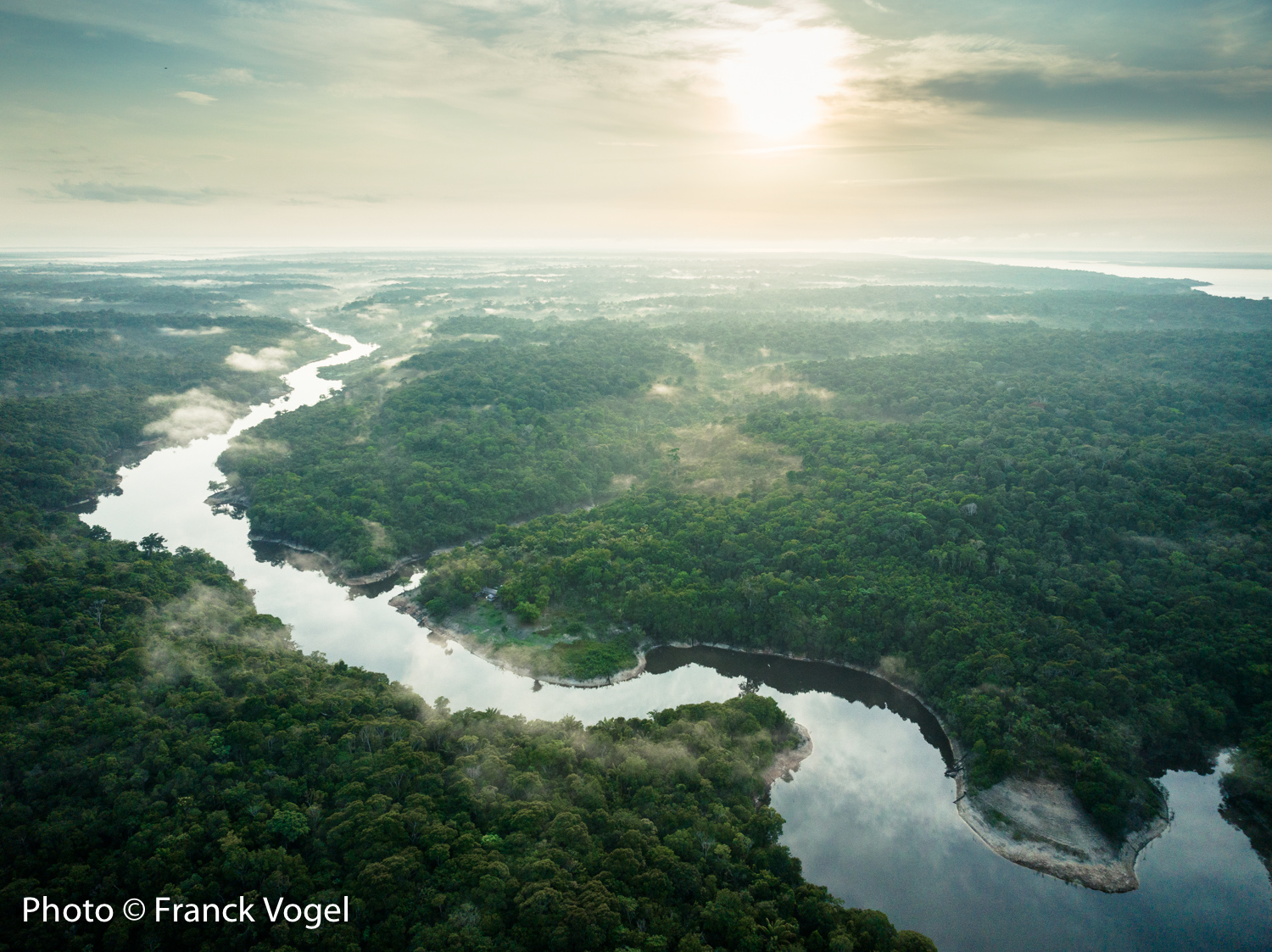
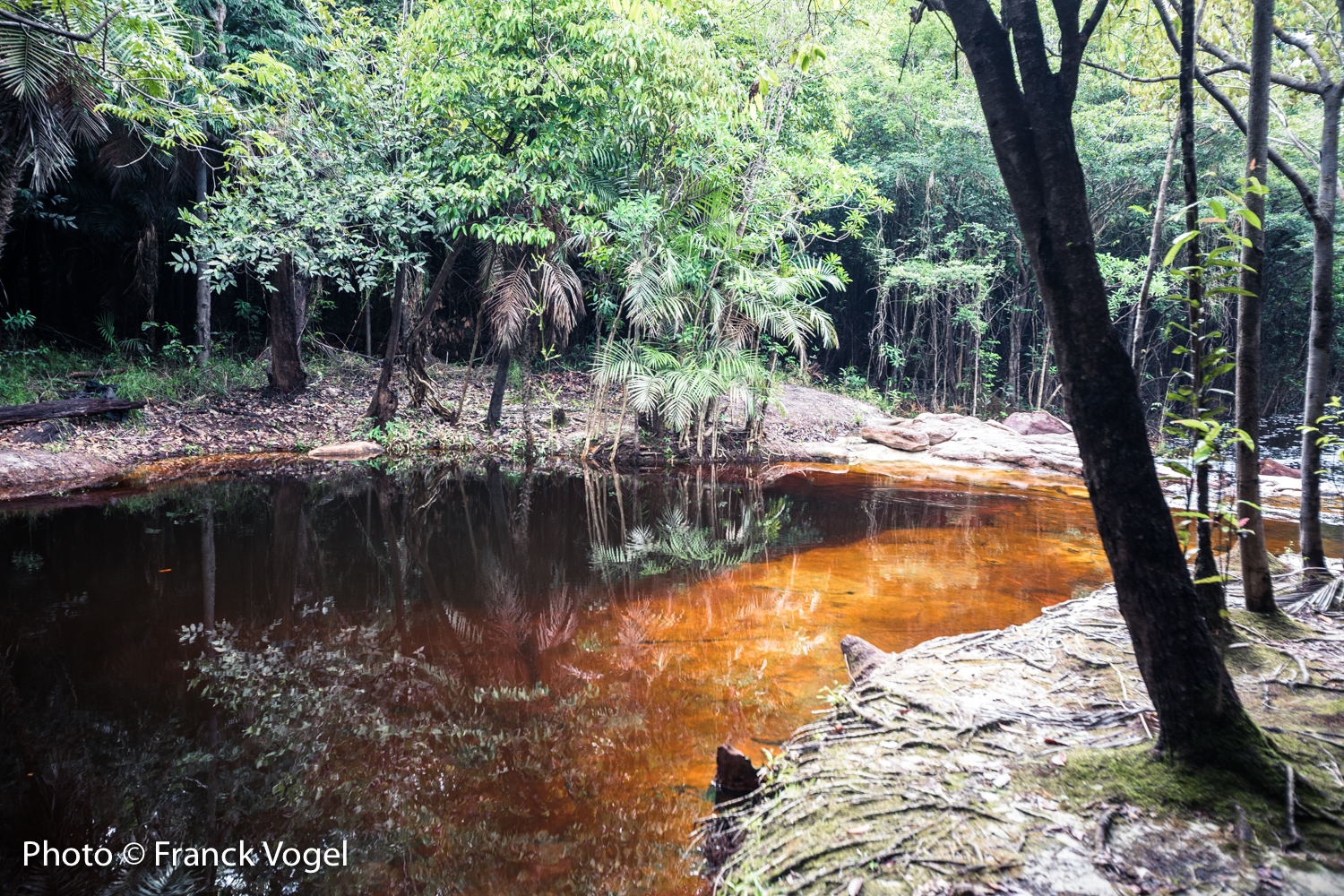
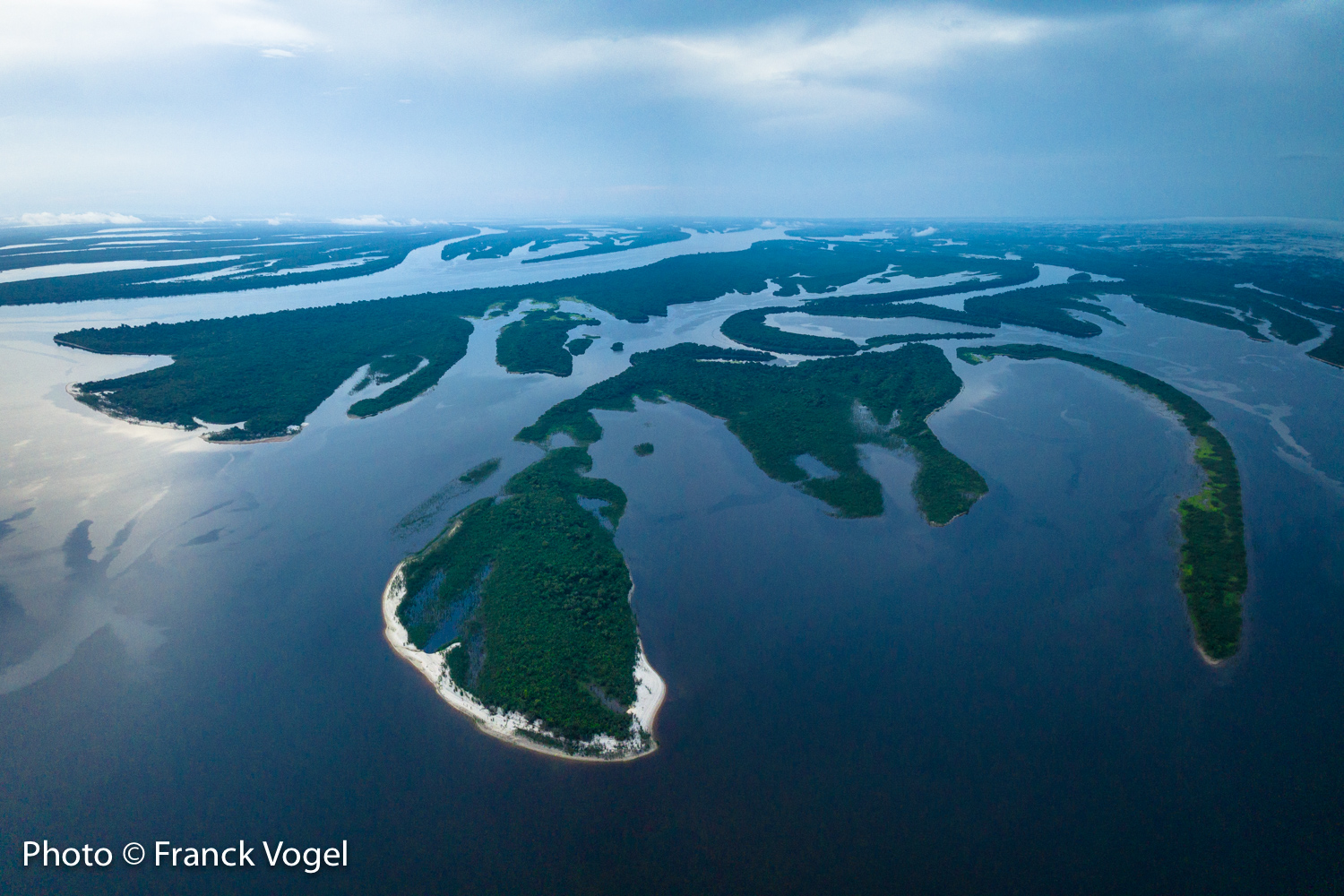
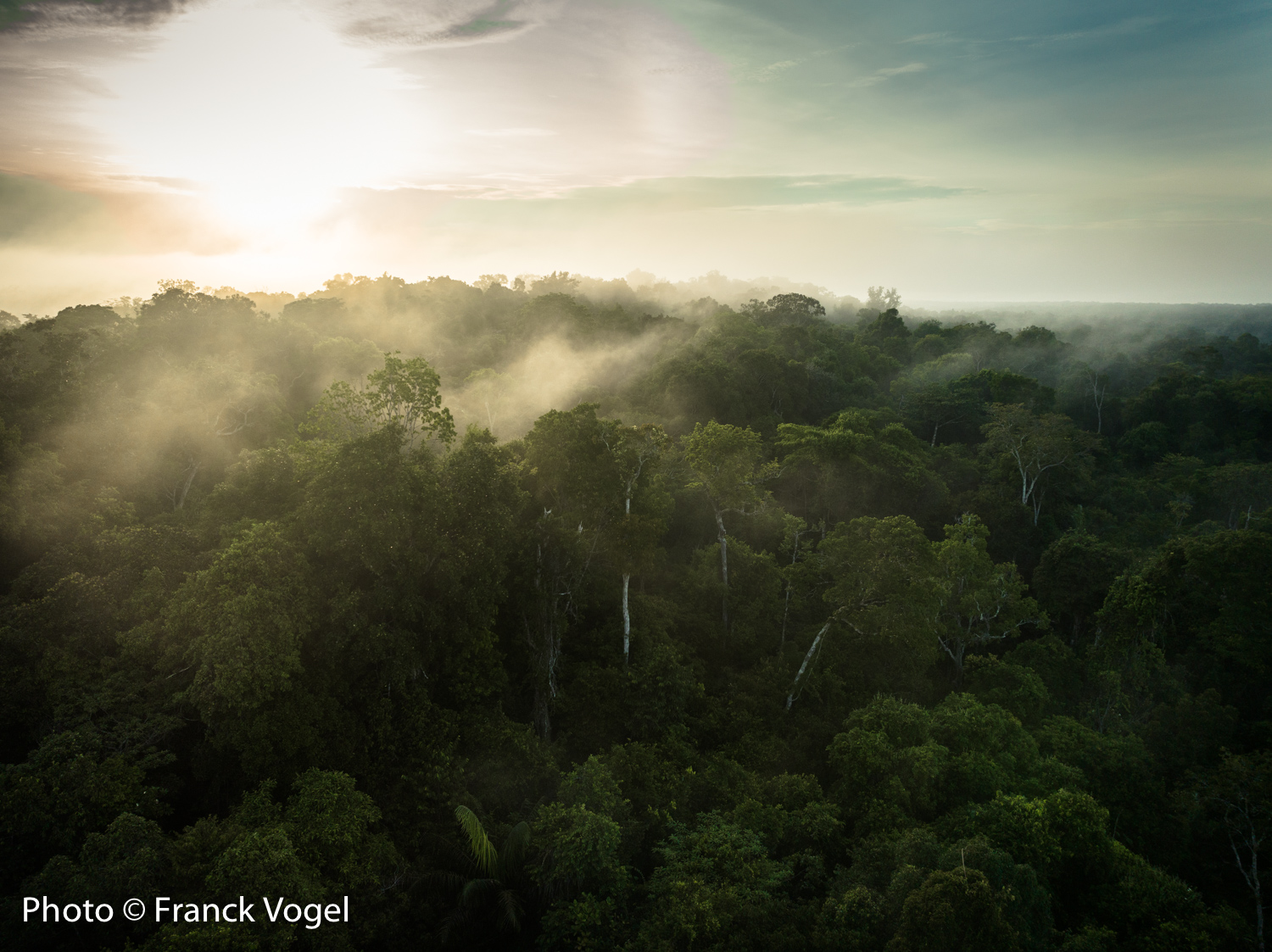
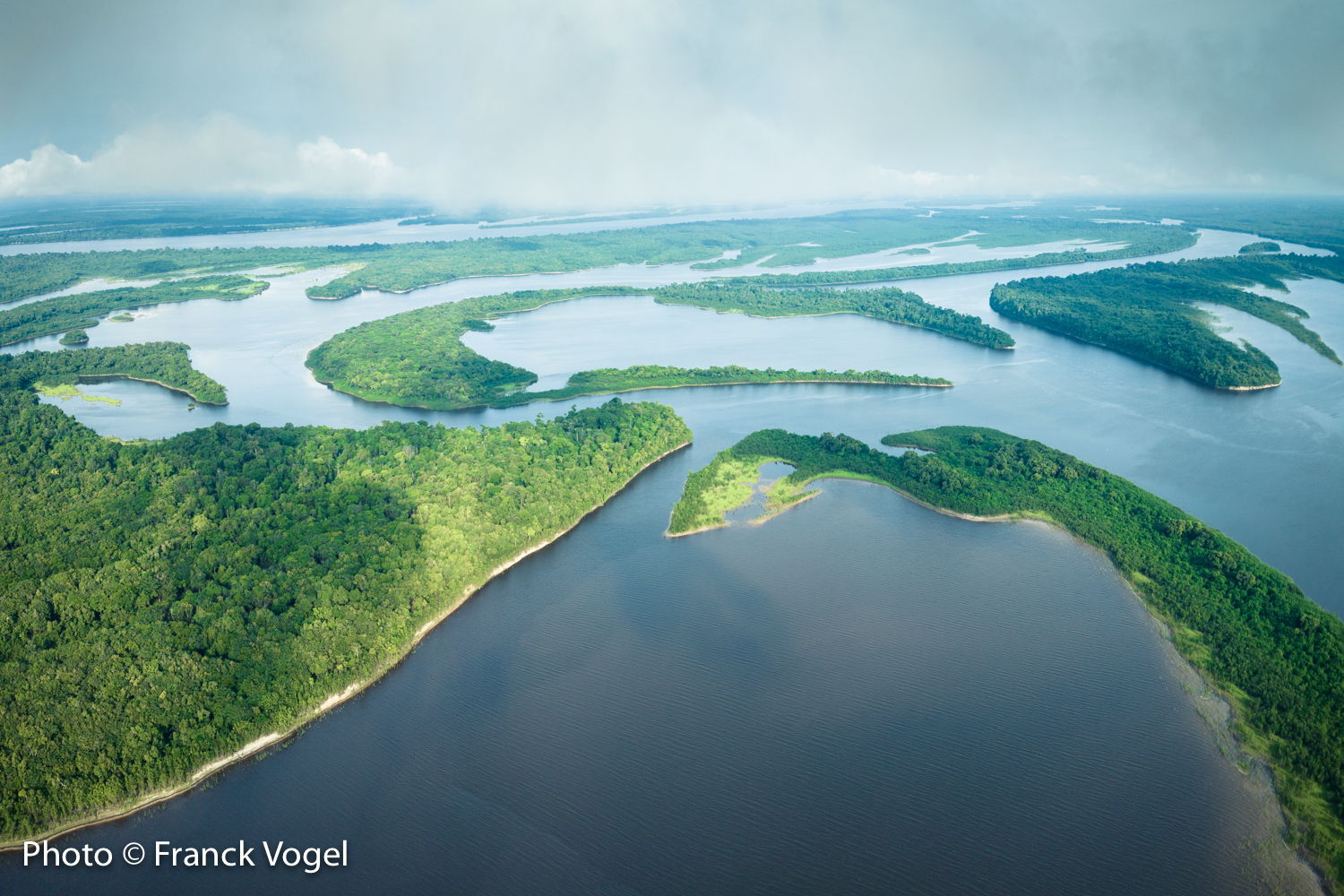
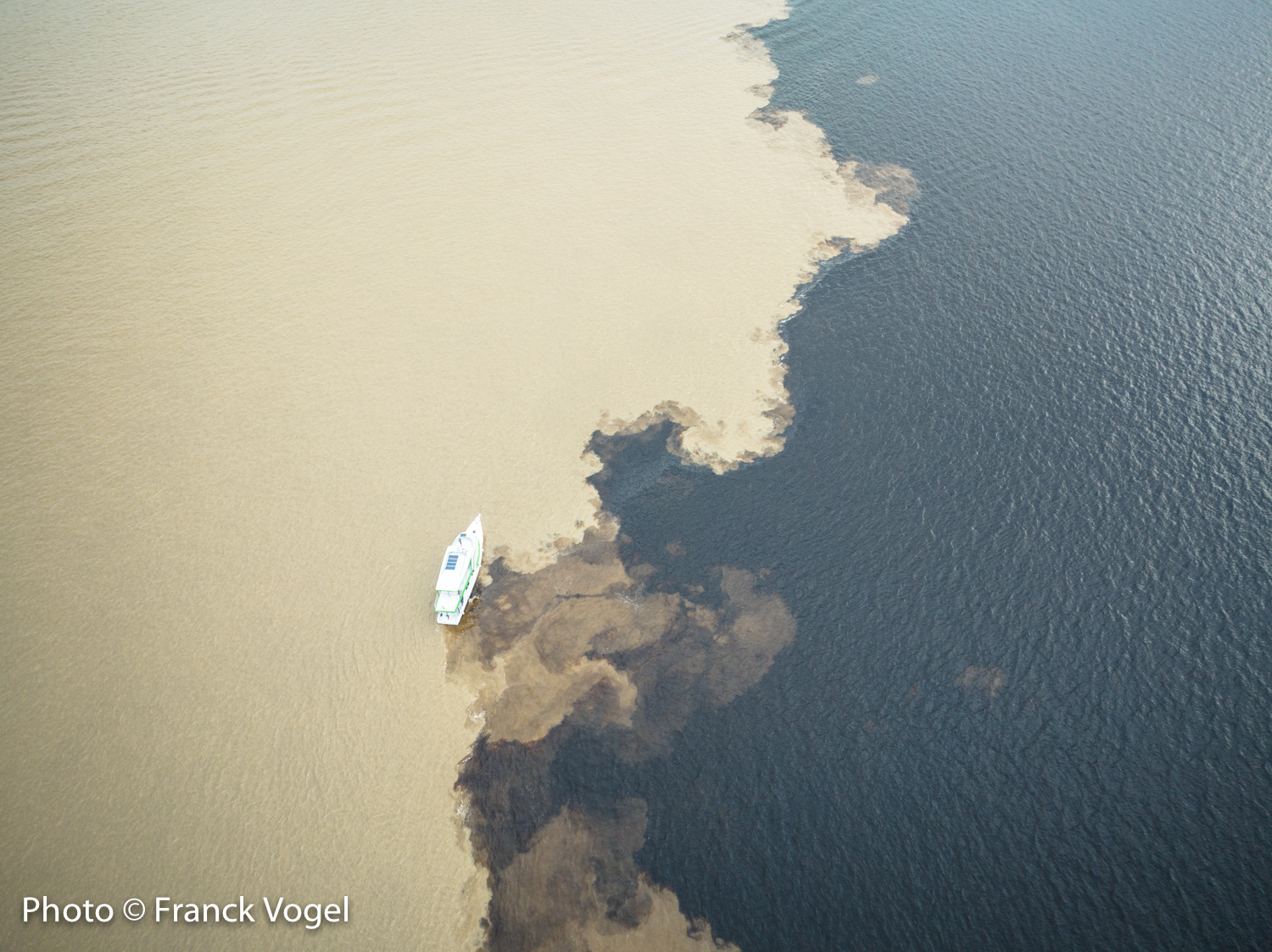
It is 5:30 in the morning and the night still holds on. The air already clings to the skin, heavy and humid, like steam rising from the belly of the forest. Around him, the Anavilhanas—400 protected islands spanning 3,500 square kilometers in the heart of the Brazilian Amazon—are still half-asleep. From the major city of Manaus, 80 kilometers downstream, it takes a full day by boat heading up the Rio Negro to reach this river archipelago, the second largest in the world (after Mariuá, 300 kilometers away). In the dark waters, smooth as a mirror, the last stars and first birds are reflected. The Amazon's main tributary owes its mysterious brown hue—the color of deeply steeped tea, transparent in the shallows—to the tannins and humic acid released by dead forest leaves. This acidity, lack of sediment, and apparent starkness offer unexpected comfort to the inhabitants of the Anavilhanas, as mosquitoes do not thrive in these waters.
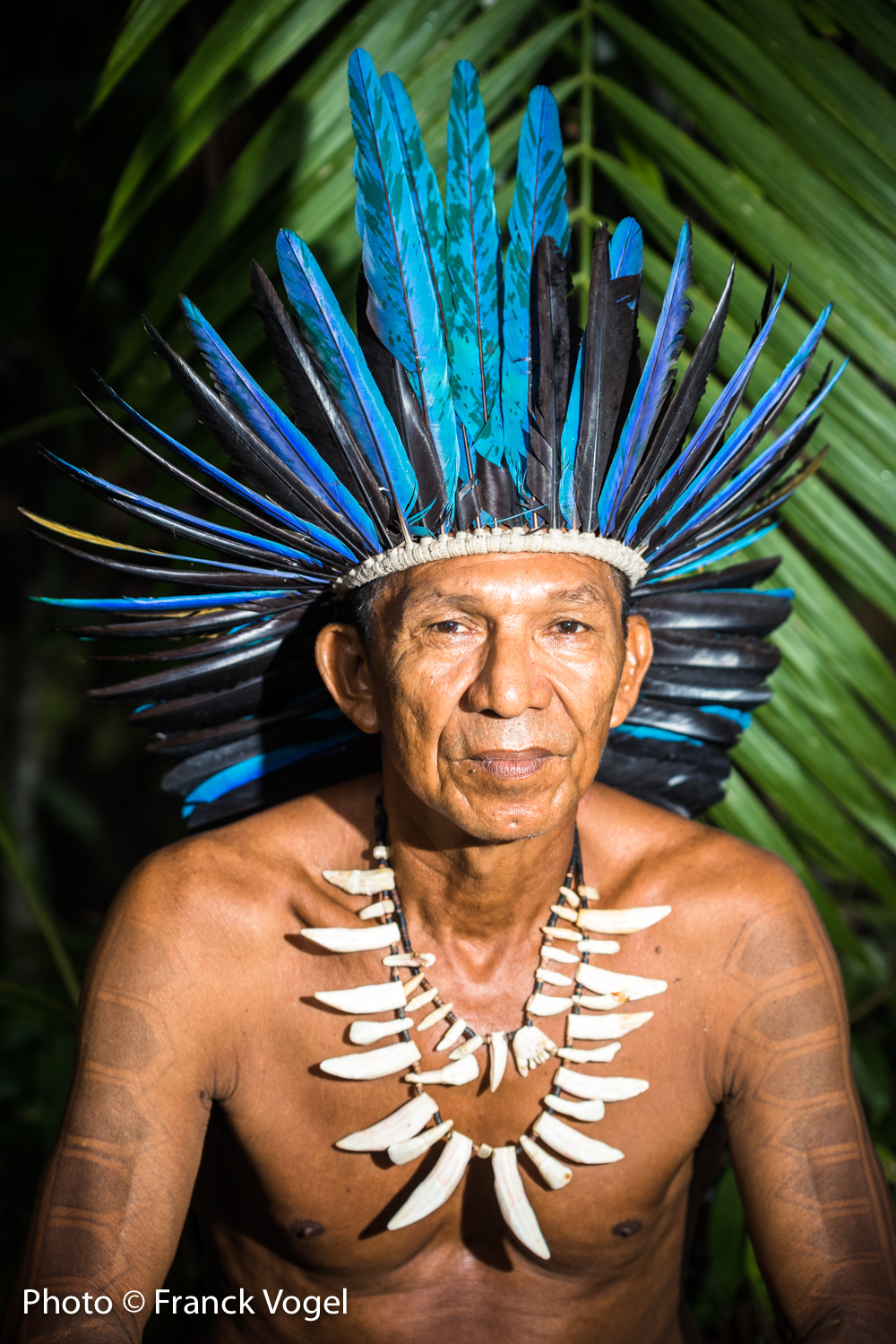
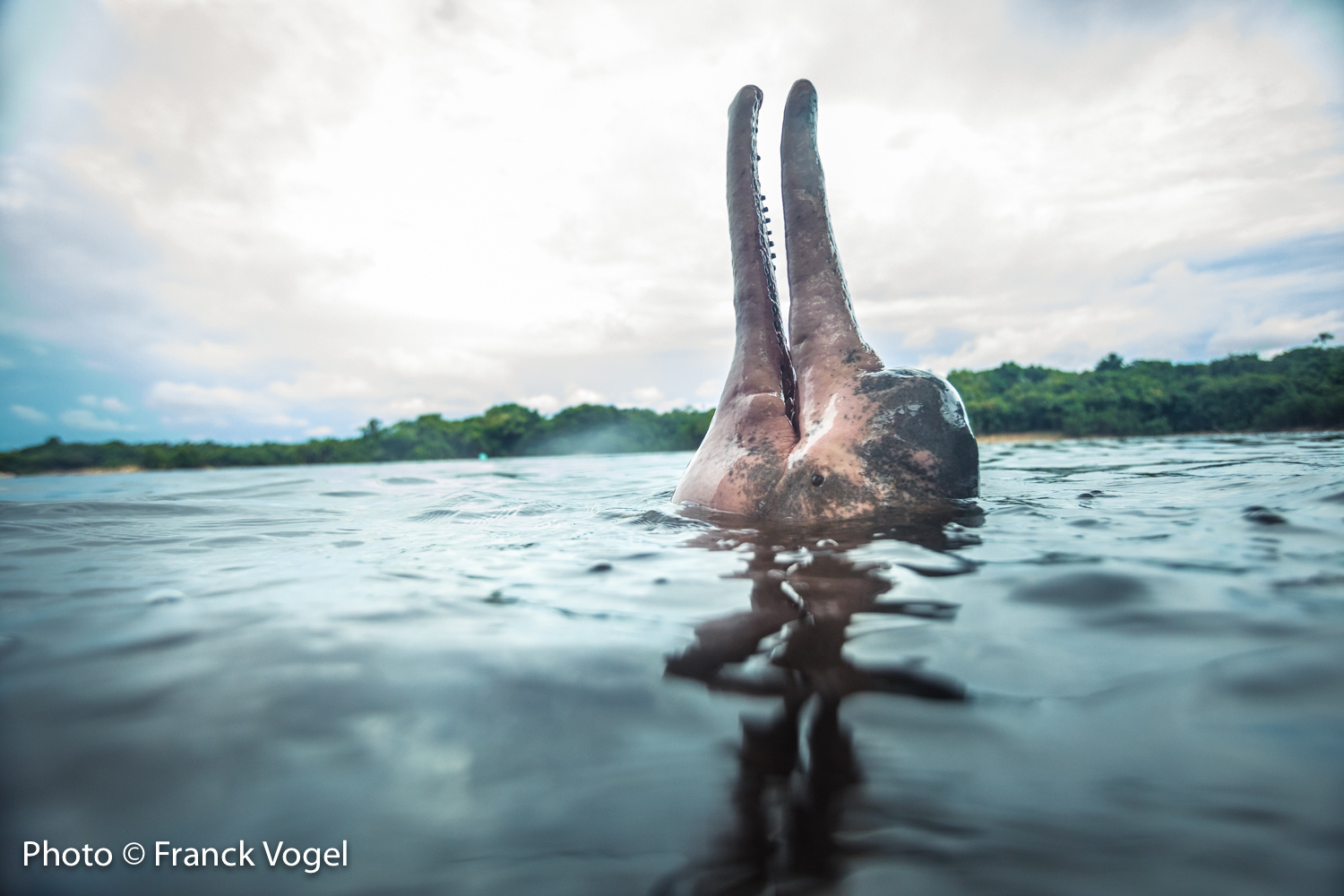
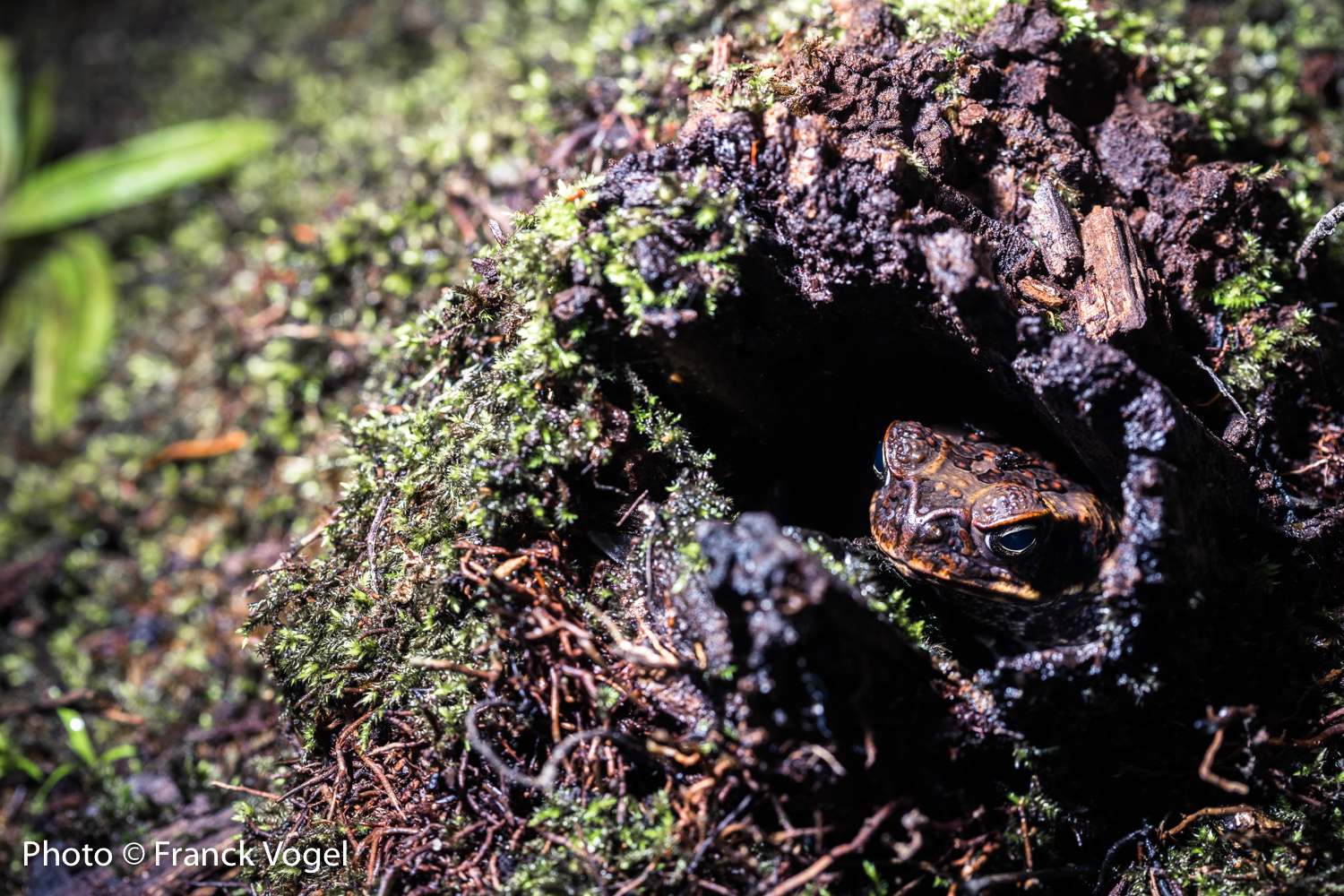
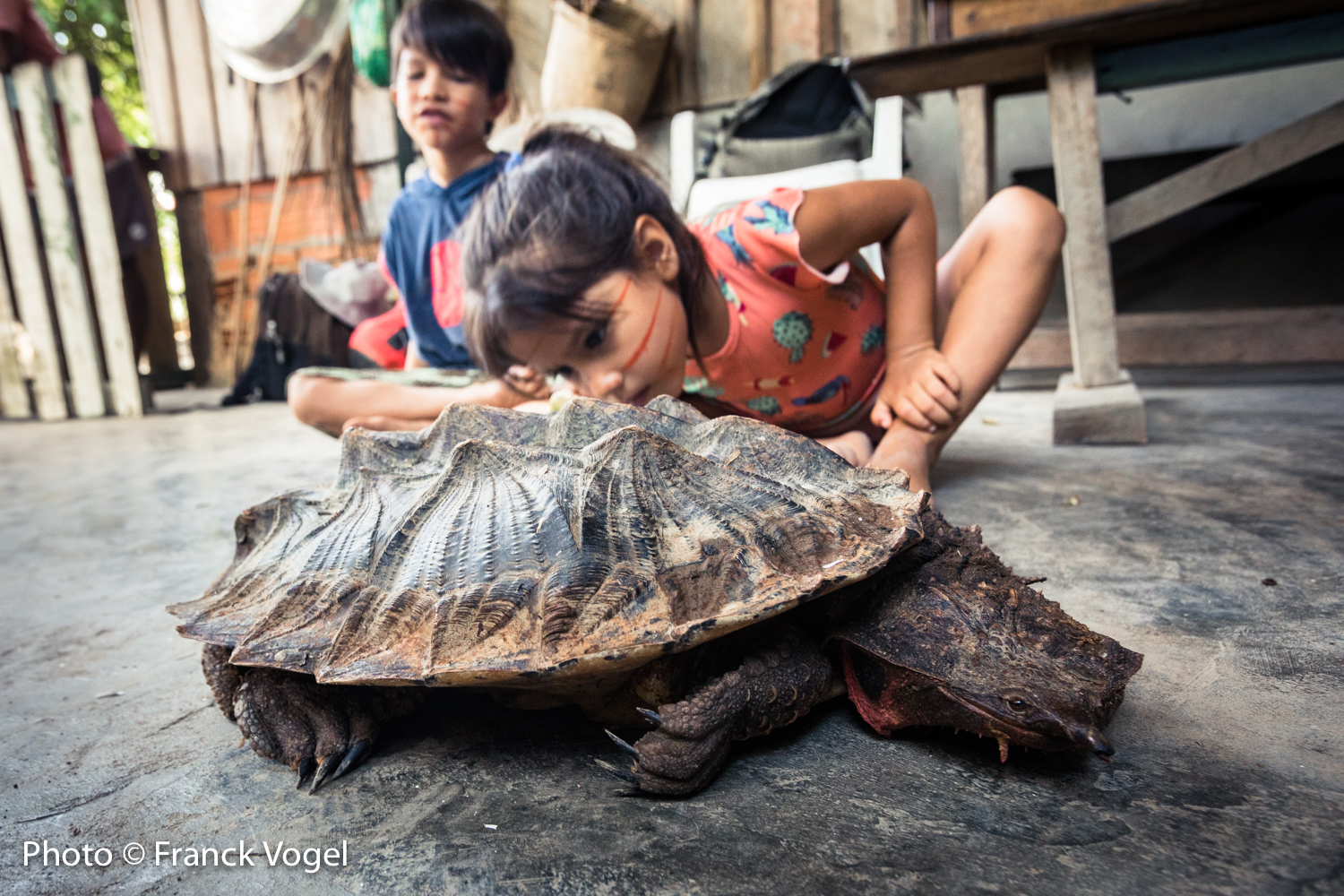
Yet the miracle of this river does not stop there: it shelters abundant wildlife—piranhas, strange matamata turtles (Chelus fimbriata) that look like piles of dead leaves, howler monkeys, blue macaws, jaguars, and even the famous botos (Inia geoffrensis), the Amazon's pink river dolphins, mischievous neighbors and tireless players that sometimes willingly cross the boundary between species to swim alongside humans. Indigenous peoples, particularly the Barés and the Tatuyos, were driven to these shores by history, the necessity of survival, and the dream of a better life. Wearing T-shirts and shorts for some, and traditional ritual body paint and feathered headdresses for others, the inhabitants live to the rhythm of this capricious waterway, whose water level—fluctuating between 13 and 21 meters—constantly redraws the geography, causing phantom islands to emerge during the dry season. They view the river not as an obstacle, but as a master whose secret language these communities have learned.
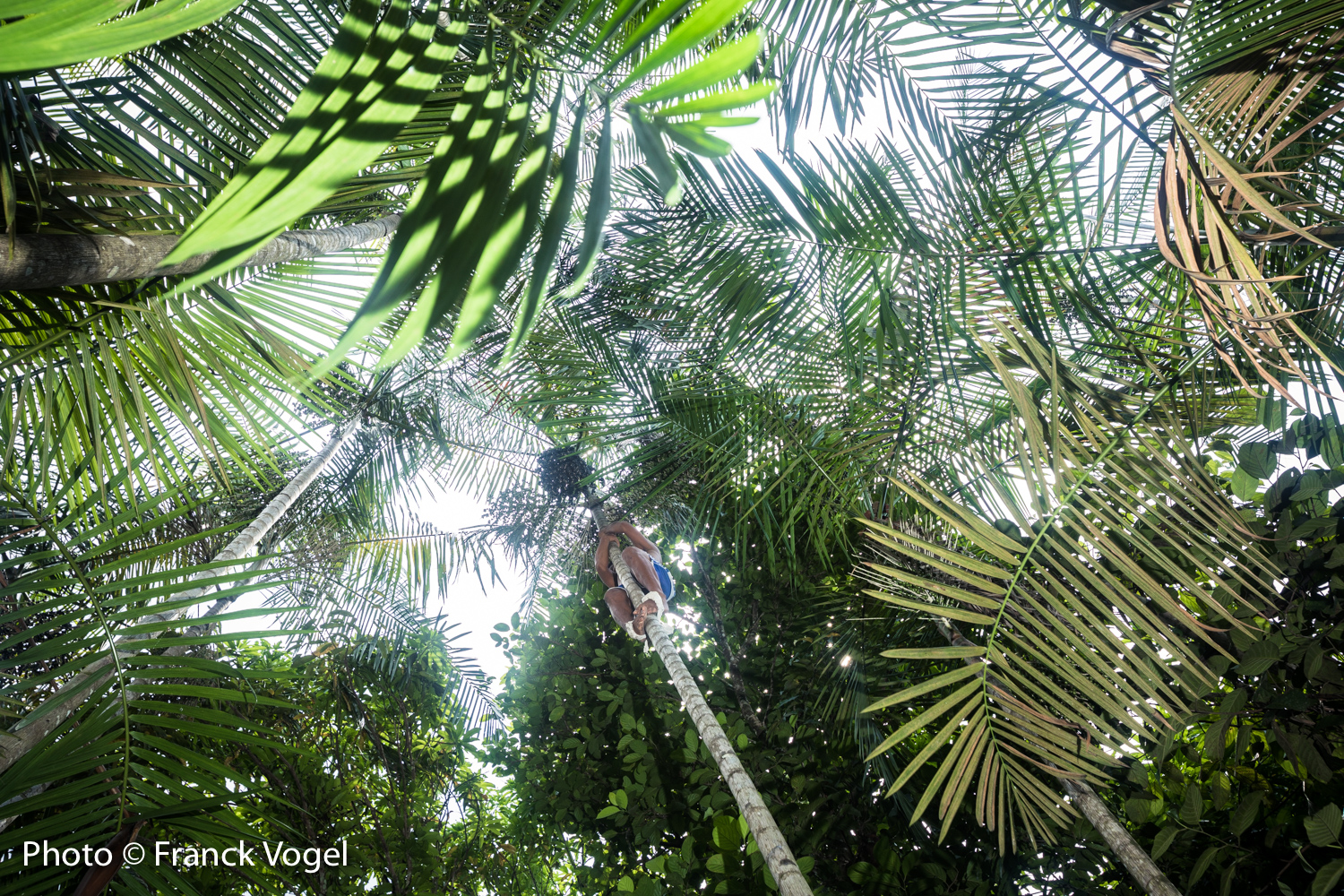
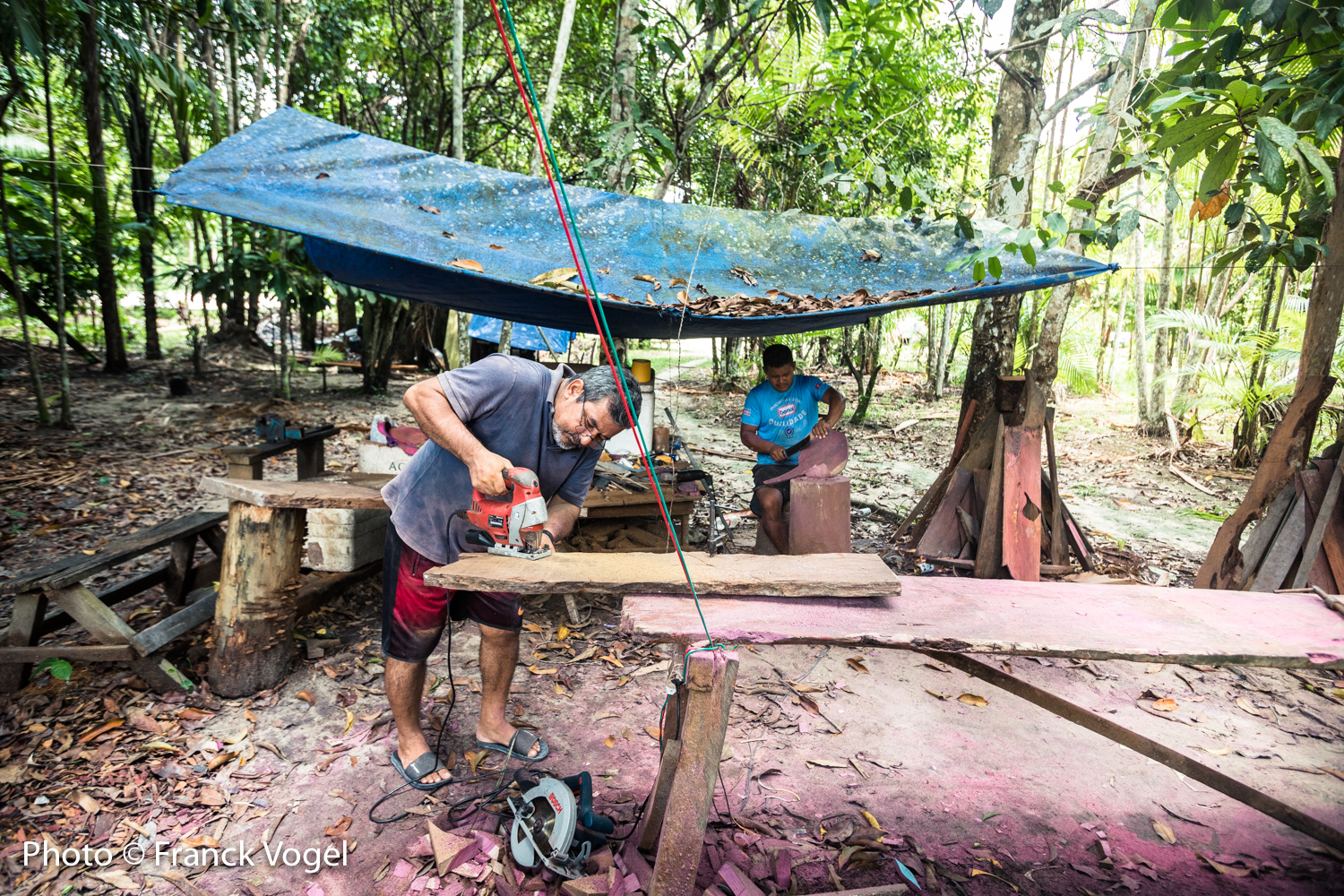
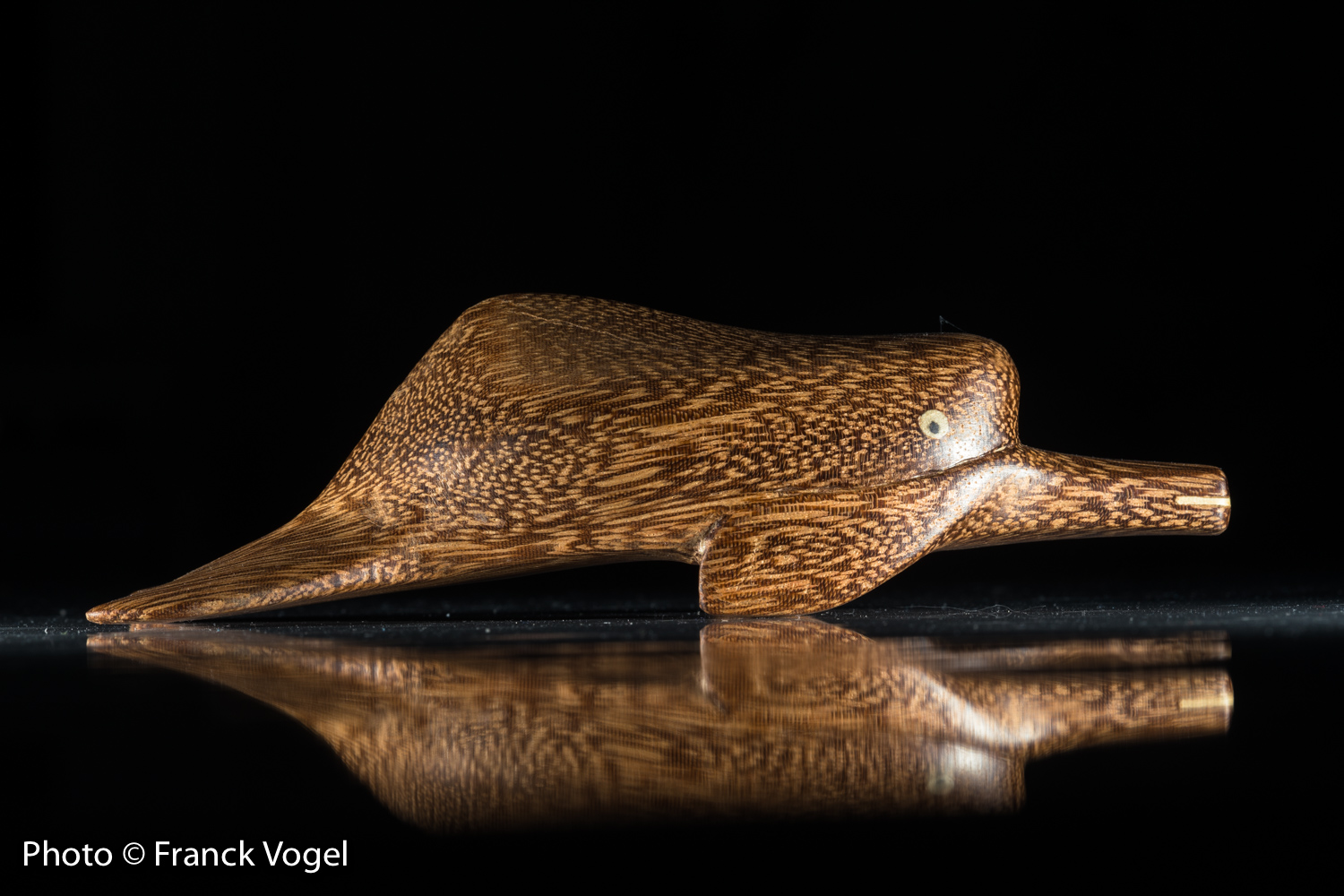
At 64 years old, fisherman José Pancracio Da Silva is the cacique of the Barés. His people once lived in the region of São Gabriel da Cachoeira, 800 kilometers upstream on the Rio Negro. One day, however, resources ran scarce. "We were looking for a place to live," he recalls. "The water guided us." He first arrived here in 1990 by canoe with his wife, children, in-laws, and a few dreams, later bringing the rest of his people. Today, 169 people live in Nova Esperança in wooden or corrugated-iron houses with palm-thatched roofs, built on stilts to adapt to shifting water levels. Accessible only by river, the village has a brick-built primary school where teachers from Manaus instruct in Portuguese. Nova Esperança also features various community spaces and an artisanal workshop for marquetry and woodcarving, showcasing motifs inspired by jungle creatures—finely crafted botos, pirarucus (giant Amazonian fish), and toucans.
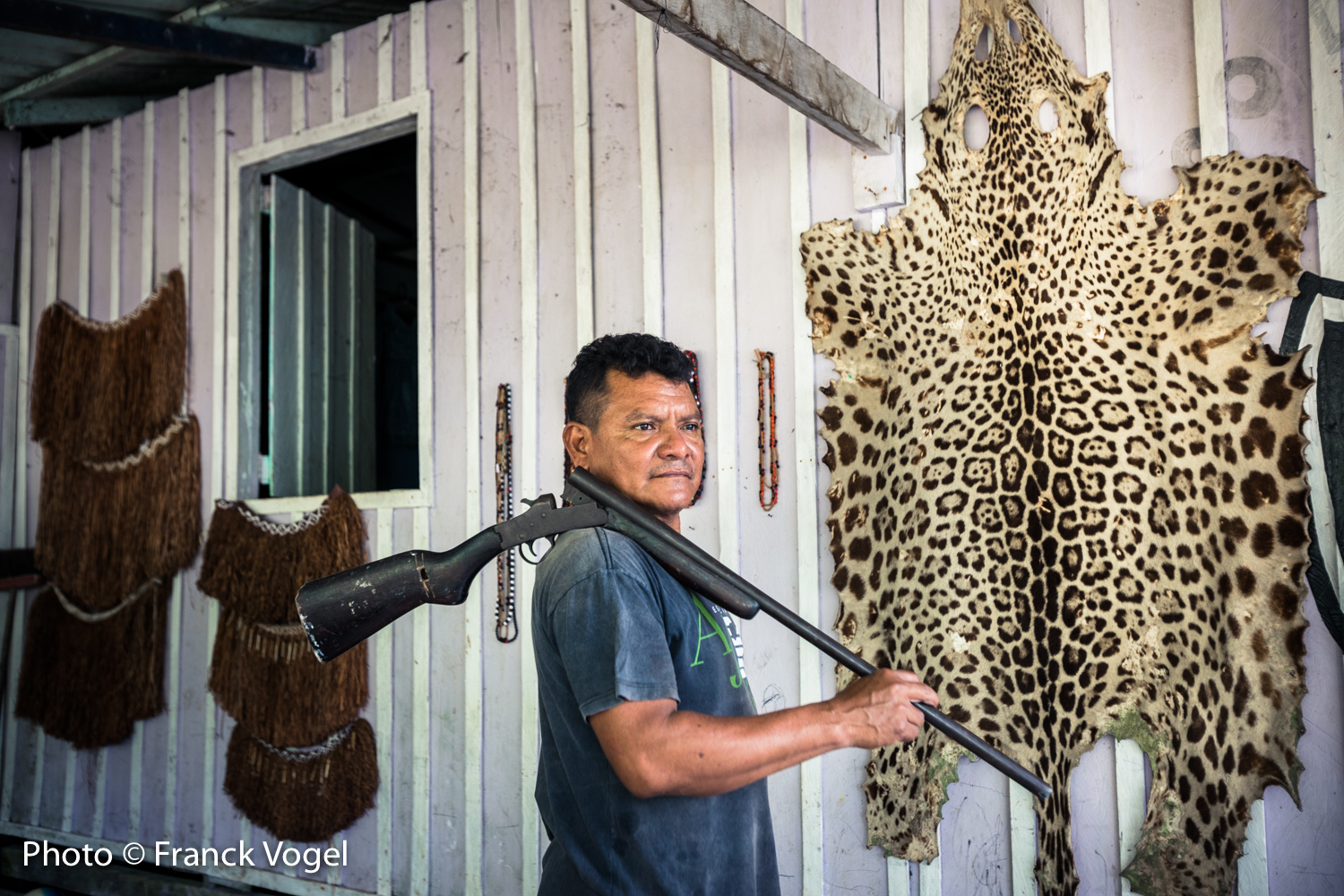
José is committed to passing down the animist beliefs of the Barés, even though, much to his dismay, his eldest son and a few other community members were converted to evangelical Protestantism—like a quarter of Brazil's population—by Brazilian and American missionaries. His brother-in-law, however, never forgets the fundamentals. Lindoso Da Silva Garedo, 52, hunts under the auspices of the dono da floresta, the spirit of the forest. From May to August, the Barés hunt birds, monkeys, pacas (large rodents), and deer; the rest of the year, they fish. It is a way of giving the forest time to regenerate and animal populations time to recover. About ten years ago, a male jaguar began prowling around the village, devouring the dogs one after another. Faced with the threat of an attack on residents, the Barés debated at length: should they kill the big cat? The decision—yes—was made with deep regret, for the jaguar is sacred here. To them, the forest is not an unchanging backdrop, but a living being, a demanding partner with whom one must coexist.
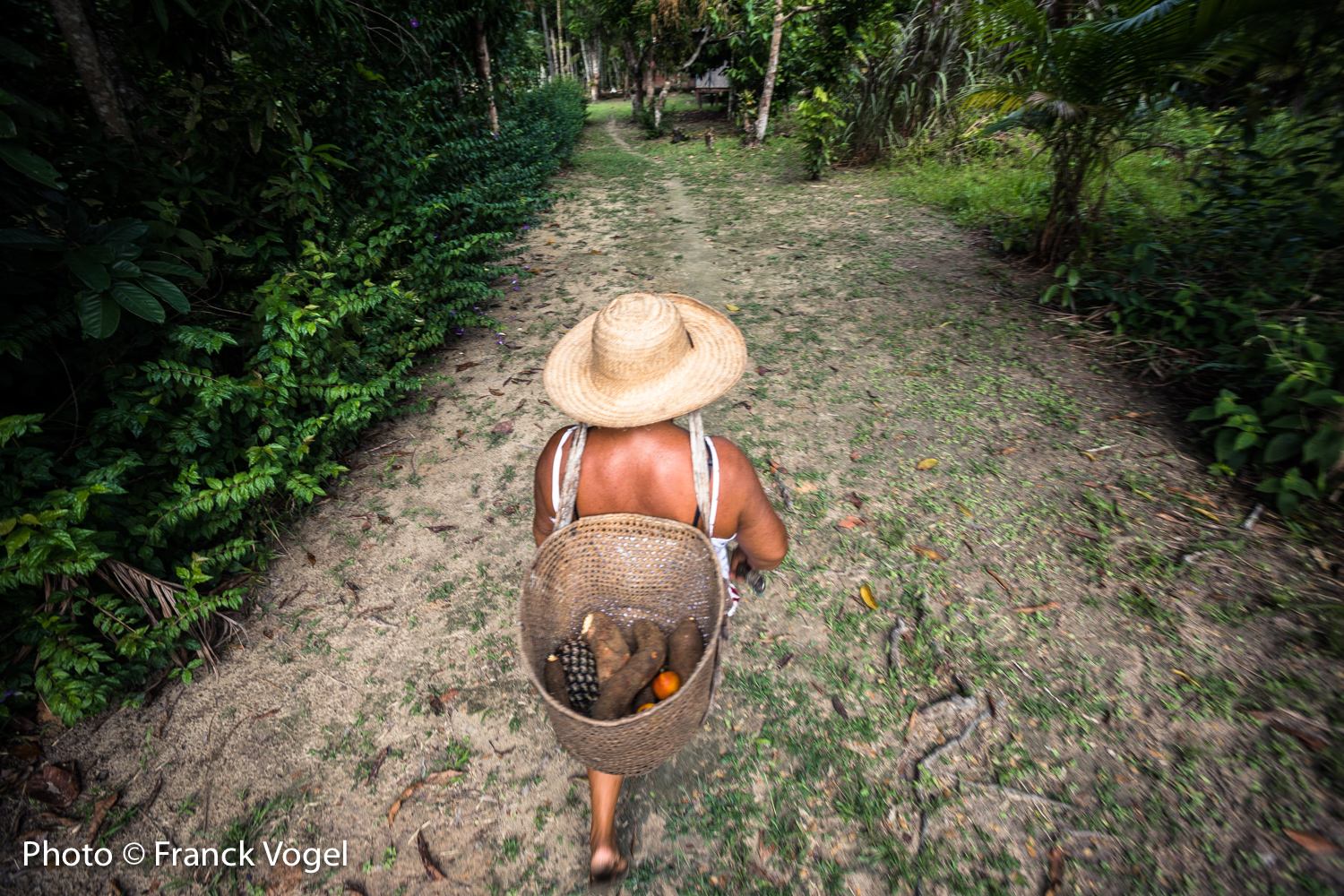
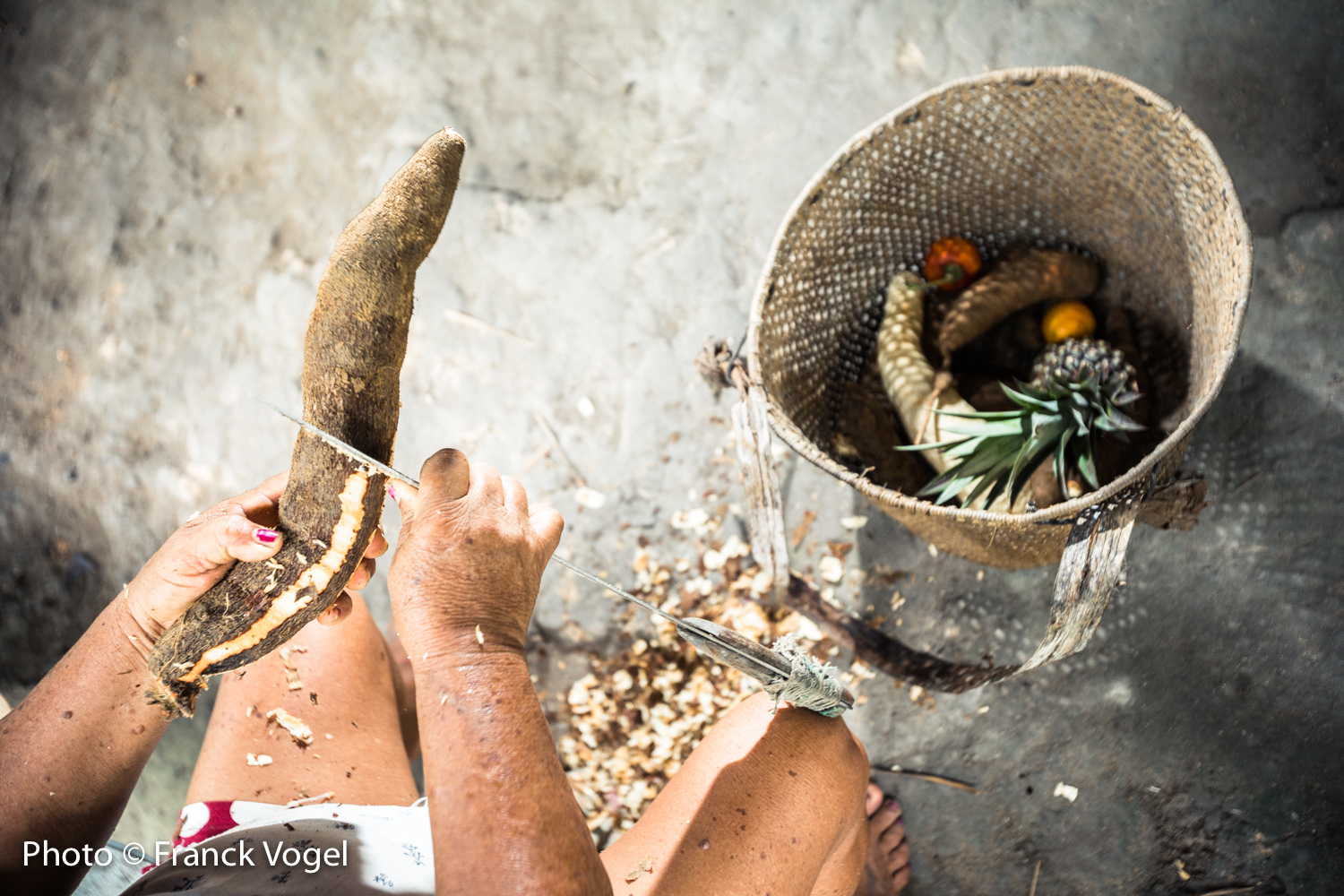
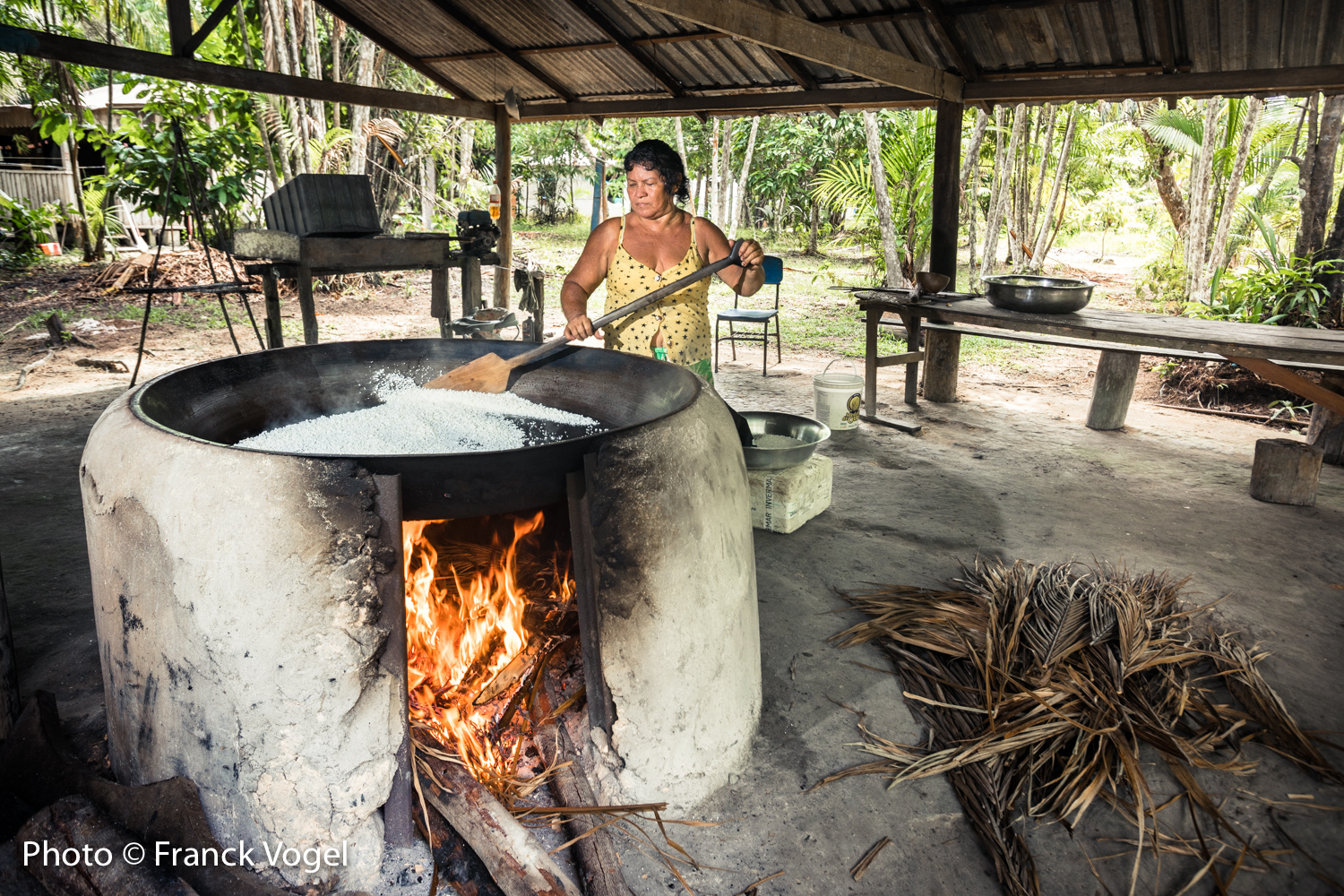
On a plot where slash-and-burn clearing has enriched the soil with fertile ash, 77-year-old Maria Arlette Garigu Costa plants cassava stems horizontally with practiced precision, laying them flat into the earth. A few months later, a new shrub bursting with tubers will sprout. Further along, José's 56-year-old wife, Sonia Garrido Melo Da Silva, is hard at work. Once the cassava is peeled and grated, the decisive roasting stage begins. Standing before the roaring hearth, armed with a long wooden paddle, she tirelessly stirs the grainy mass in an immense white-hot pan so that all moisture evaporates. It is an exhausting choreography, a hand-to-hand battle with the heat to transform raw root into farofa, a crispy toasted cassava flour beloved across Brazil. Sonia offers a still-steaming handful of this simple, crunchy delicacy.
Thirty kilometers further along the river live around fifty Tatuyos, another community settled in the Anavilhanas. Their presence here is more recent. Like the rest of the so-called "Eastern Tukano" peoples, the Tatuyos traditionally inhabit the upper Rio Negro, straddling Brazil and Colombia roughly a thousand kilometers away. As resources grew scarce, Hernando Prado Godinho—now in his fifties—set off downstream in 2015 with his relatives aboard five dugout canoes and settled in the archipelago.
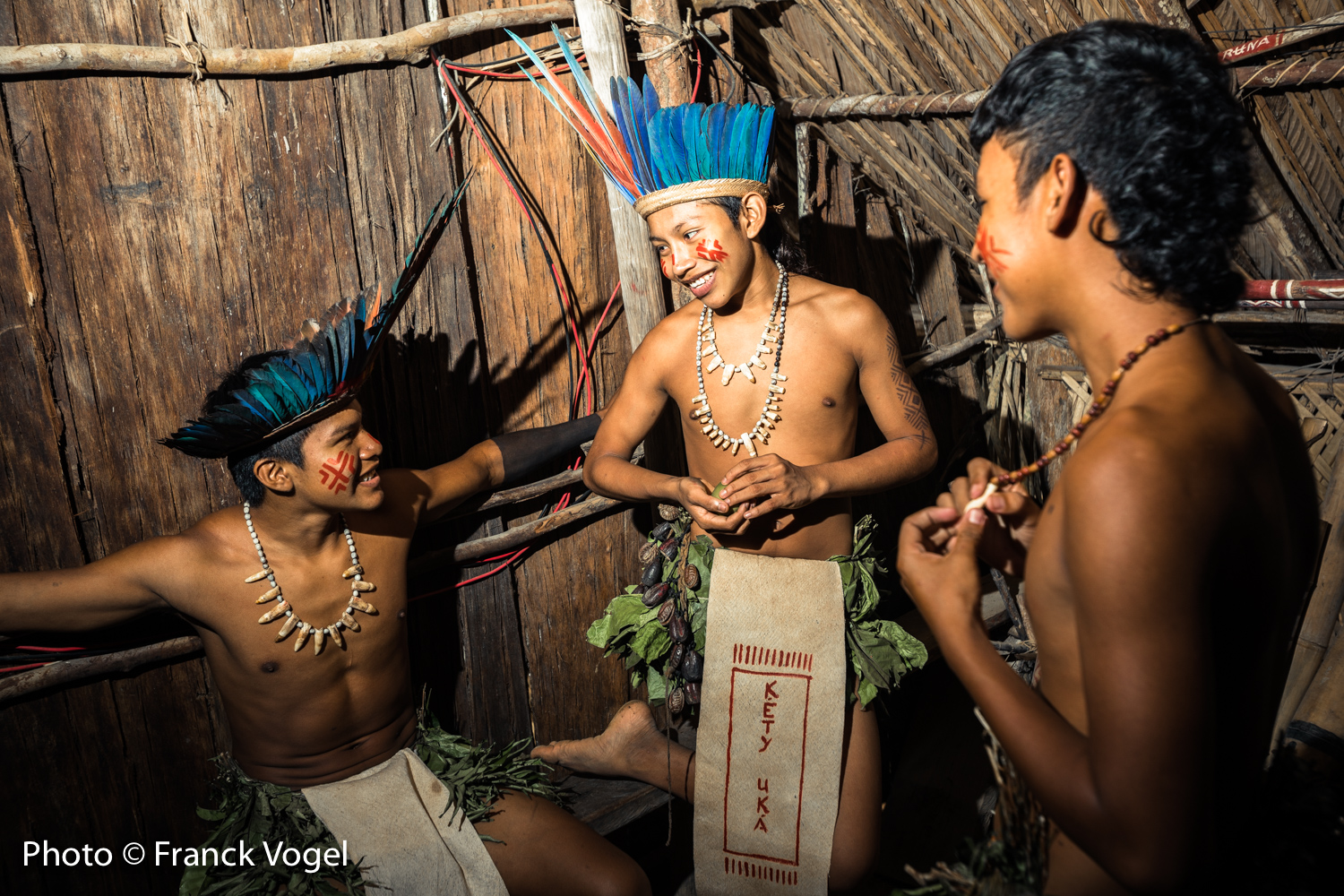
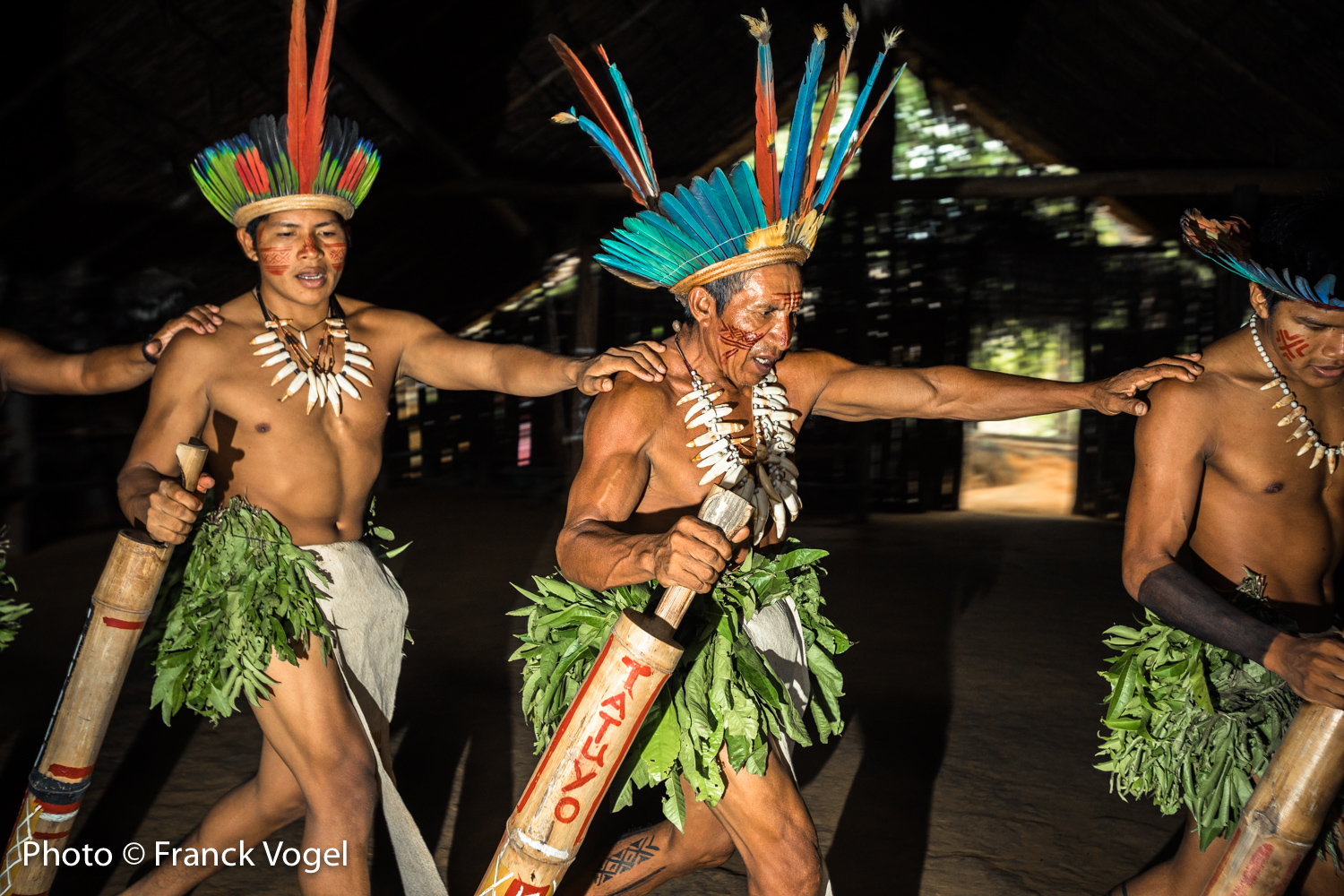
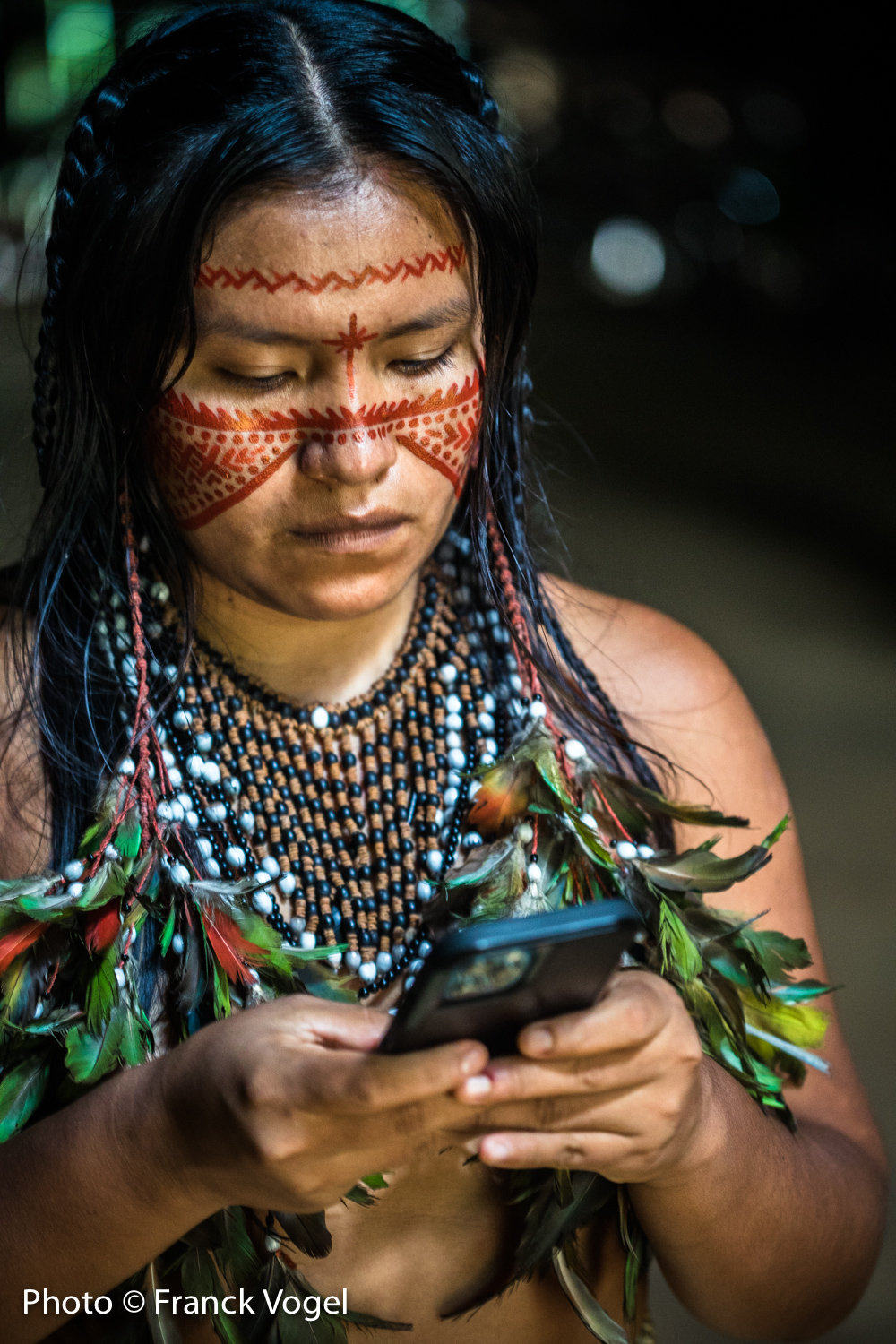
According to legend, the Tatuyos arrived on Earth aboard the back of an immense ancestral serpent navigating the cosmic waters. It is a story inscribed in the patterns painted on the face of Hernando, now known as Cacique Pinõ (the word means "anaconda" in Tatuyo). He speaks ten of the roughly twenty languages native to their homeland—and for good reason: in most communities of the Eastern Tukano cultural group, one must marry someone whose paternal language differs from one's own, making the clans inherently multilingual. Alliances are sometimes forged through the ritualized nocturnal abduction—with her consent—of the bride, though the union is only formally sealed upon the birth of their first child.
When a couple returns to the mother's village to present their newborn, they are welcomed with collective songs and dances called capivaya. The jurupary, during which young boys must endure the sting of whipping branches without flinching, marks their passage into manhood. For the transition into womanhood (a young girl's first menstruation), the mawako dances are summoned. Meanwhile, the melancholic cariçu is played at the close of ceremonies. Accompanied by panpipes and the yaruputu (a long, sometimes carved wooden flute), these rituals—where participants wear ceremonial body paint and feathered headdresses—structure the lives of communities whose world revolves around water, forest, and mythology. In the Anavilhanas, the Tatuyos uphold these traditions, with one caveat: given the small size of their community, the younger generation is gradually broadening its horizons.
Maira "Jūgoa" Gomez Godinho, Pinõ's 27-year-old eldest daughter—known online as Cunhaporanga ("the pretty woman of the village" in Tatuyo)—opened a window into her people's daily life six years ago using a smartphone. When the entire world ground to a halt during the Covid-19 crisis and tourists stopped visiting the Tatuyos, she began filming their everyday routines: fishing, crafts, rituals, cooking, medicinal plants, and the meaning behind their body paint. A video showing how to eat a live grub went viral. These raw slices of life broadcast on TikTok captivated Brazil, catapulting Cunhaporanga into becoming the country's first Indigenous social media "influencer" with 6.5 million followers and an icon of Indigenous visibility. Forbes magazine even named her among Brazil's ten most influential content creators.
This virtual fame led to a consequence as romantic as it was unexpected: Henrique Gil, a physical education student in Rio de Janeiro, was so captivated by the young woman's videos that he left everything behind to join her. Today, they live together in the heart of the community, embodying an unlikely fusion between the metropolis and the rainforest.
Not all stories along the river are quite so idyllic. The Lanawas are the children of a tragedy. At the turn of the 20th century, two peoples—the Cirianas and the Bahuanas—lived further upstream in the Upper Rio Negro, near the Colombian border. The Cirianas were masters of medicinal plants and healing; the Bahuanas were renowned hunters. In the 1920s, however, measles arrived, brought by settlers, decimating both tribes. Only a single boy, João Arino Soares, survived among the Cirianas, and a single girl, Claudina de Souza, among the Bahuanas. Together, they formed a new family. Their children grew up learning the traditions of both peoples and intermarried with other tribes in the region.
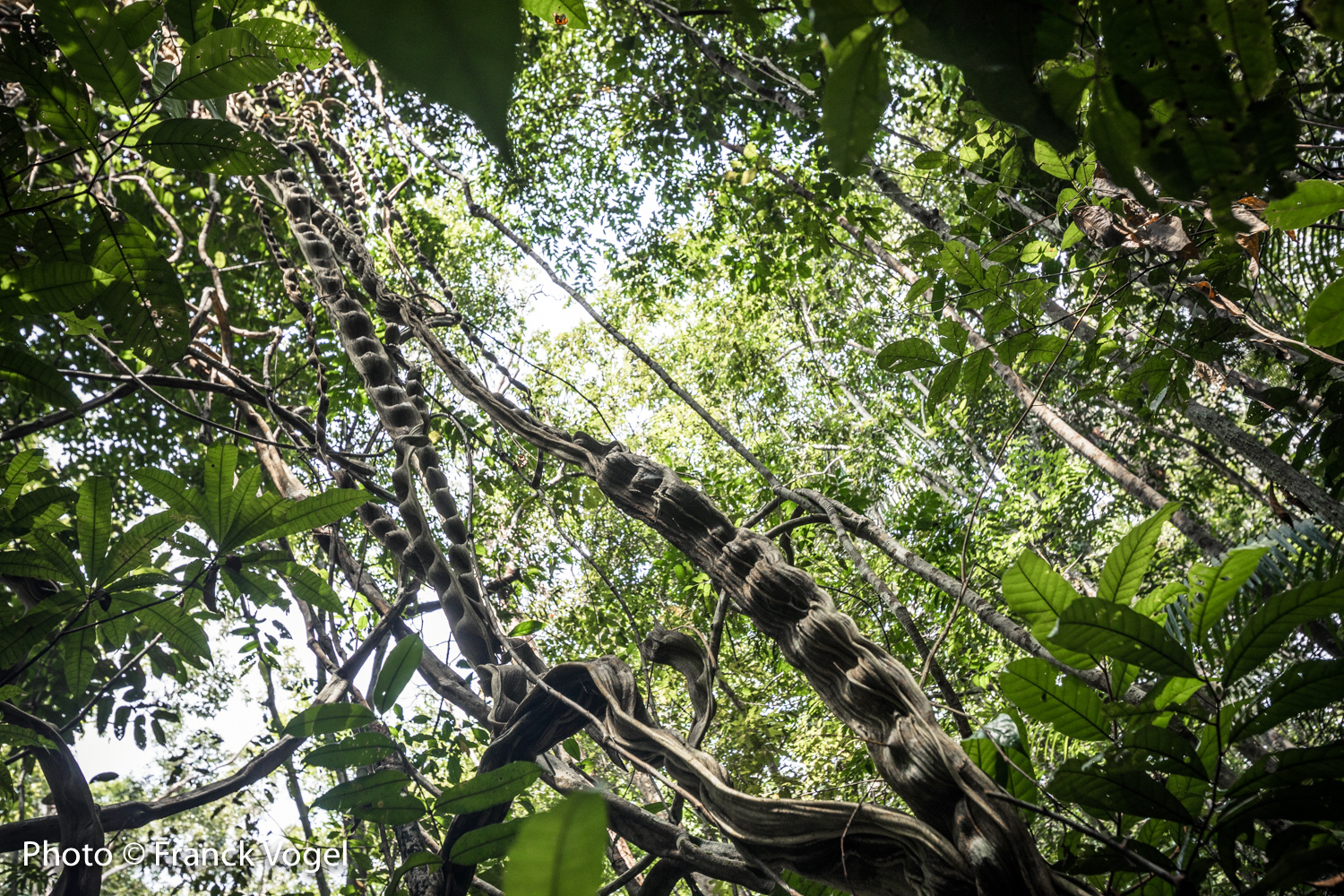
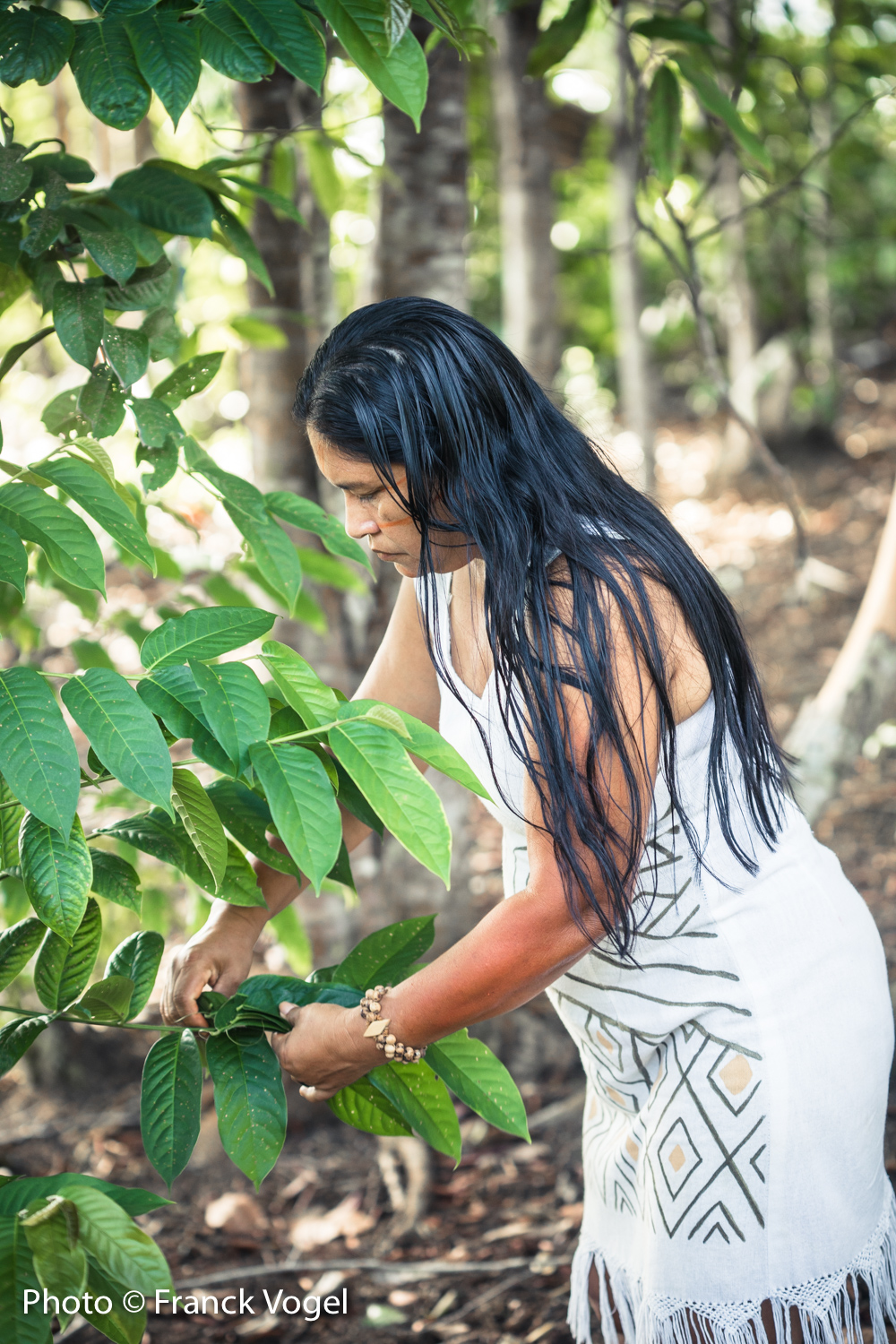
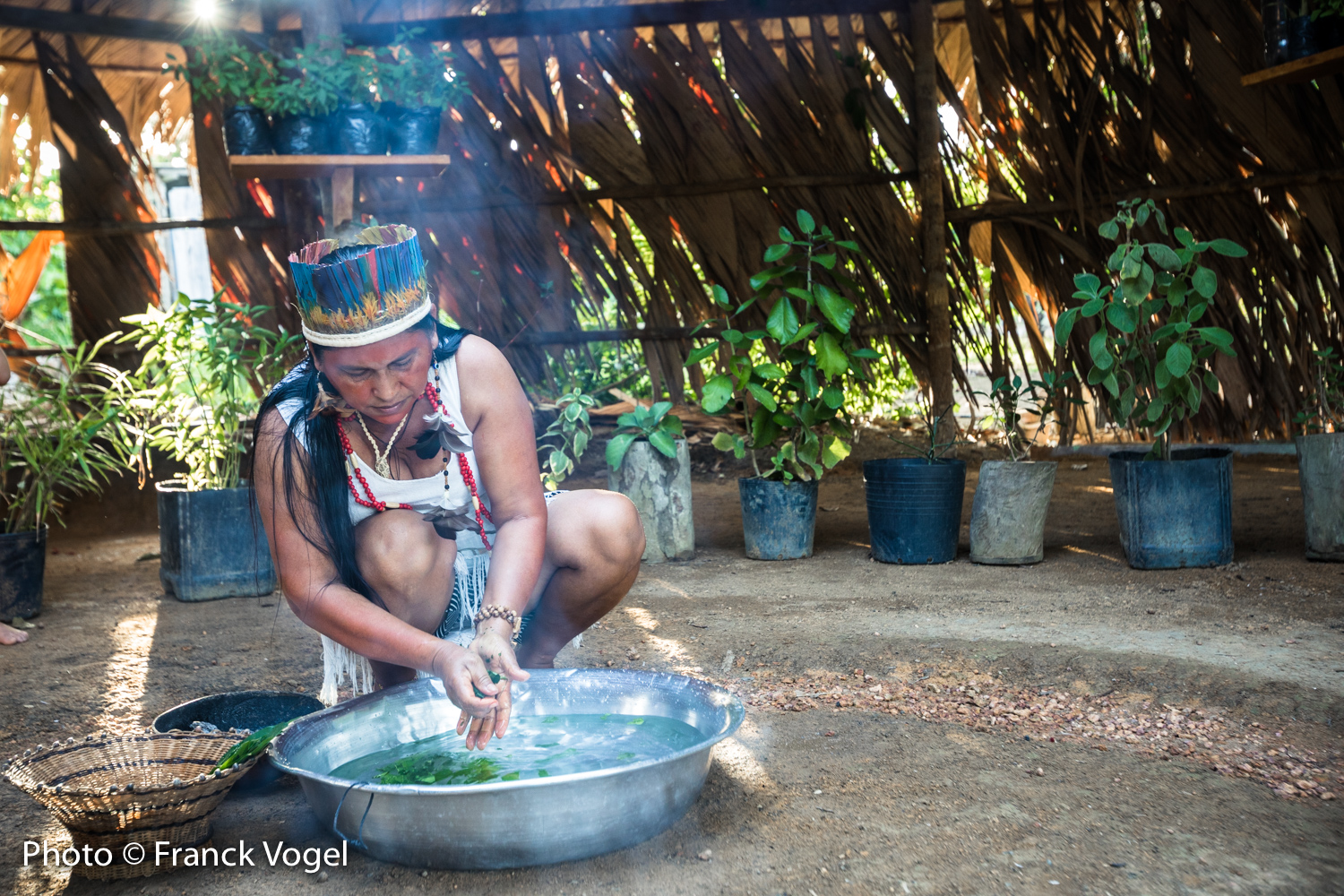
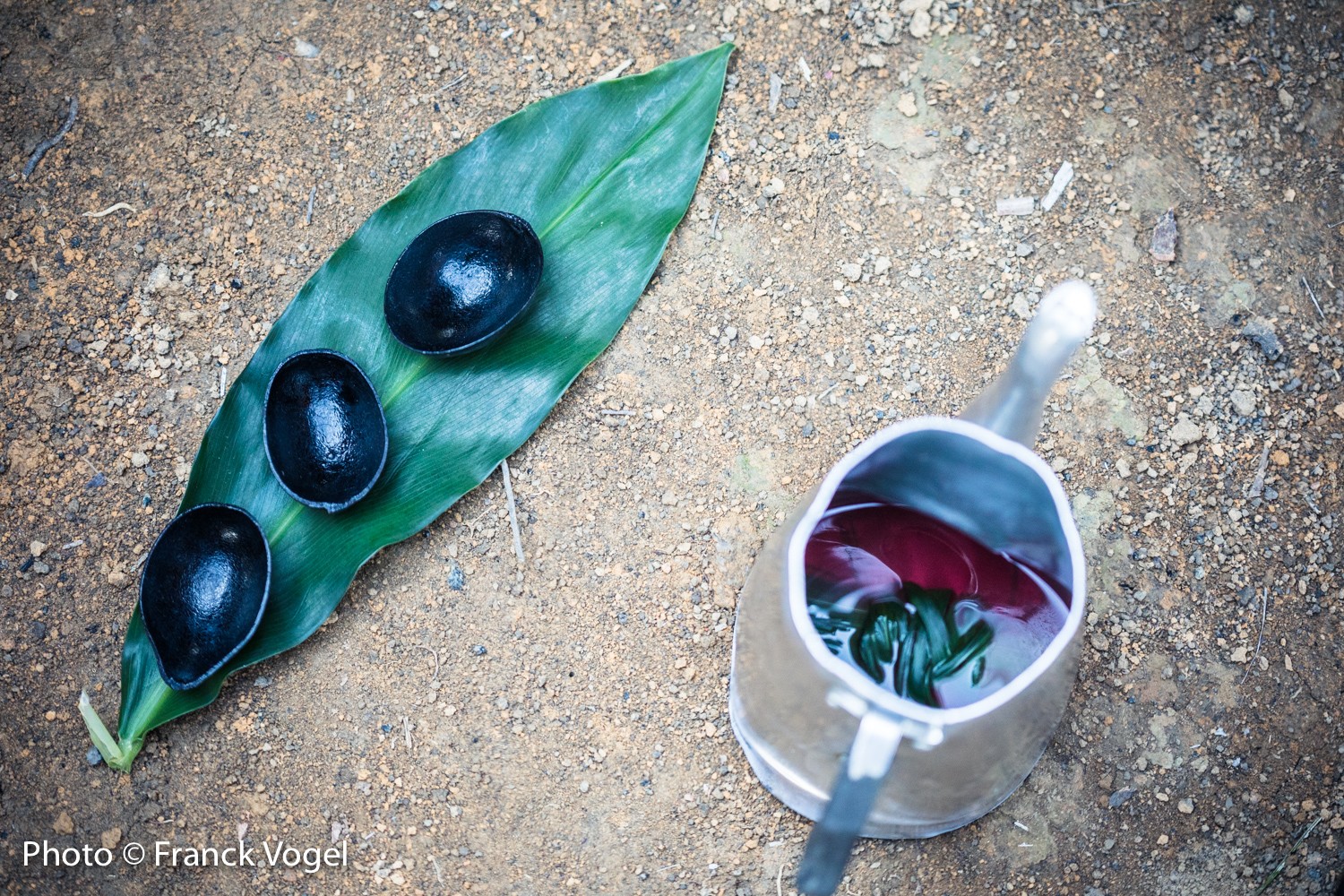
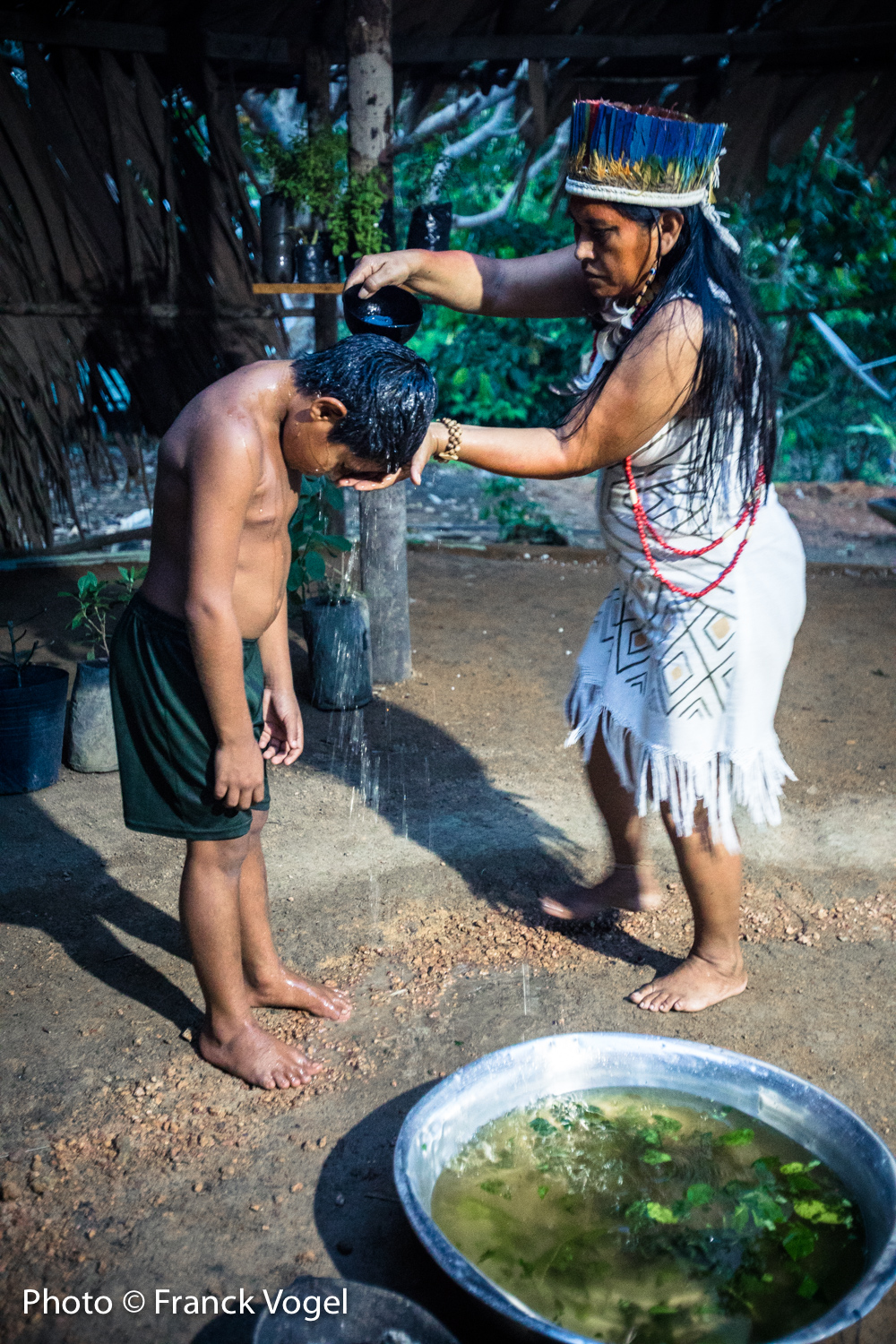
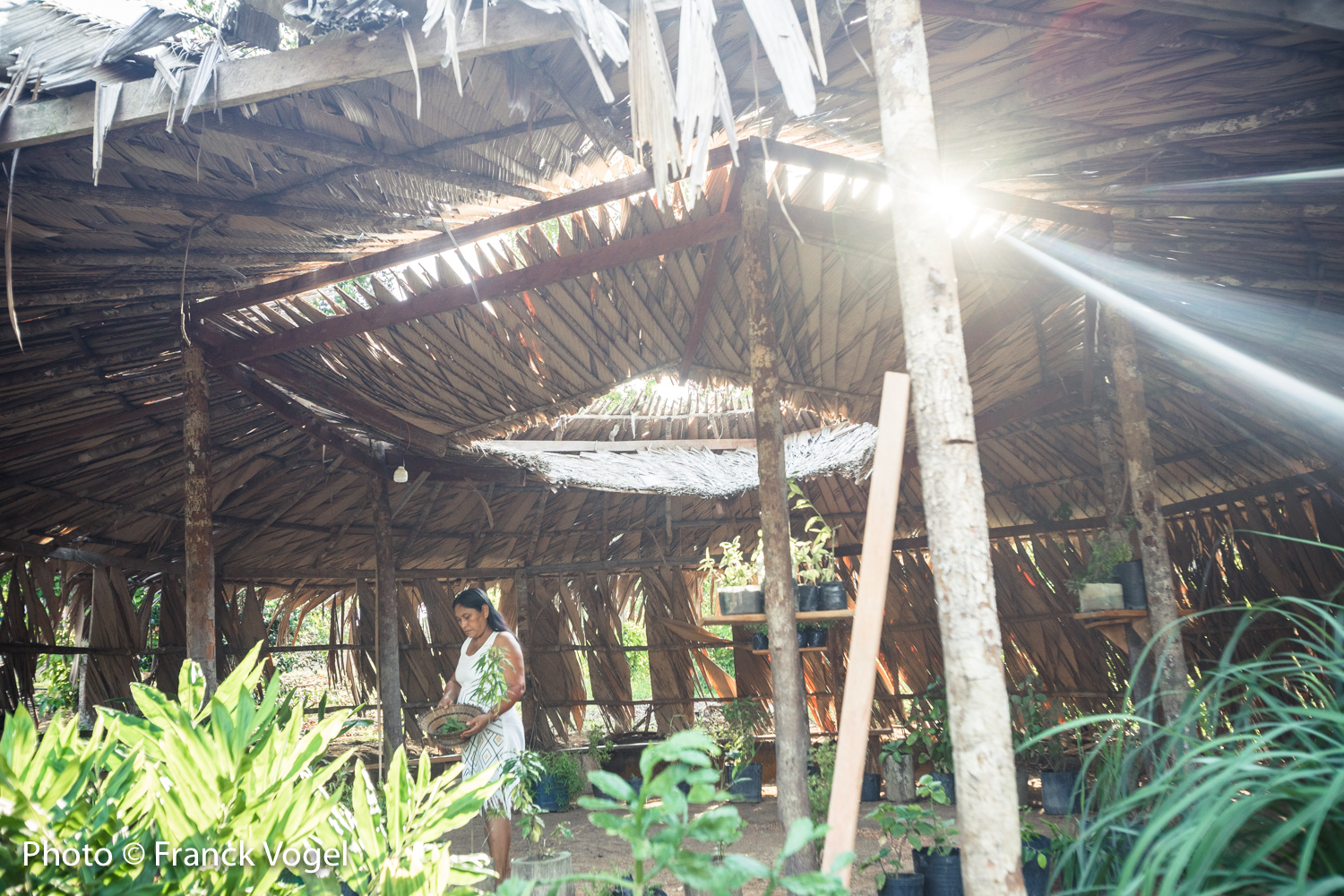
Out of this shared grief, a new people was born: the Lanawa, meaning "union." They number only twelve so far, led by their 53-year-old cacique, Binwa, granddaughter of Claudina and João. In 2010, she founded an Indigenous community called Maku Itá, which also welcomes members of other tribes drawn by the magic of the land and the fertility of its soil. Binwa knows every secret of the forest's medicinal plants and uses them to cure all kinds of ailments, such as quebranto—an evil eye that triggers melancholy or deep sadness. After thoroughly crushing leaves of capitiu (Siparuna guianensis), vinagreira (roselle), breu branco resin (Amazonian incense), and other botanicals, she infuses them in water to release their juices. She then performs a few steps of a sacred dance before giving the patient a vigorous upper-body massage, completing the purification by pouring the herbal water over the patient's head.
It is a bewildering, otherworldly daily existence, sheltered from the turmoil of the outside world. Fortunately, gold fever has never taken hold in this natural sanctuary: the soil holds little ore. To be sure, drug traffickers' speedboats occasionally tear through the Rio Negro night smuggling Colombian cocaine toward Manaus, yet these two worlds remain completely sealed off from one another. Among the Tatuyos, young Maira—who shares her life on TikTok and now Instagram as well—remains deeply rooted in her heritage, guided by respect for the river, attentiveness to the forest, and the certainty that humanity owns nothing. She and her partner Henrique are expecting their first child, and Maira recently showed off her baby bump to her online community—a new life arriving on the banks of the black river, where wealth is measured in fish caught, children born, and stories that endure across time.
Franck Vogel
Special thanks for this report to Heliconia Amazonas Turismo, a Manaus-based agency run by two Frenchmen, Remy and Olivier, offering tailor-made river expeditions deep into the Brazilian Amazon.
___
Perspective by Erik Orsenna
A devoted lover of rivers, writer, member of the Académie Française, and 1988 Prix Goncourt winner for L'Exposition Coloniale, he is president of Initiatives for the Future of Great Rivers (IFGR), an international NGO dedicated to their protection.
"We all carry a river in our hearts"
Since childhood, the Amazon has been my greatest dream. My father's brother, an architect and clarinetist, had settled in Brazil and spoke to me of it endlessly. One day, I landed in Manaus. I gazed upon the giant river, plunged into its forest, and promised myself I would tell their story—and the story of rubber. I wrote, I came, and I returned. Later, the sea took over, calling me everywhere. I sailed relentlessly, including with Isabelle Autissier south of Cape Horn. Yet rivers were biding their time. When I reached my sixties, I decided to drop everything to sound the alarm, setting off on a journey around the world. When The Future of Water was published nearly twenty years ago, people praised its exoticism while shrugging their shoulders: why worry? Droughts, floods... France is a temperate country; such catastrophes would never affect us. So, to make myself heard, I hit the road again to give voice to 33 rivers across the globe.
Water is matter—the very first, the most vital of all. We all carry a river in our hearts. Together with the Compagnie Nationale du Rhône, I founded the NGO Initiatives for the Future of Great Rivers in 2015. It was a wild gamble. Now backed by ten years of experience, IFGR brings together experts from every continent and across numerous disciplines: ecologists, climatologists, agronomists, hydrologists, physicians, archaeologists, urban planners, historians... Because a river is never alone: it quenches the thirst of and feeds men and women, brings ports to life and opens them to the world, founds religions, and nurtures beliefs. At major climate summits, we persistently remind leaders of the vital role of rivers and the impact of global warming upon them—and consequently upon life itself on a planet where an ever-growing population is concentrating ever faster into giant, polluted, thirsty cities. To amplify our impact, we launched the Living With Rivers label in 2024. Awarded by a scientific committee, it selects the most concrete and effective river conservation projects out of hundreds of candidates in France and worldwide.
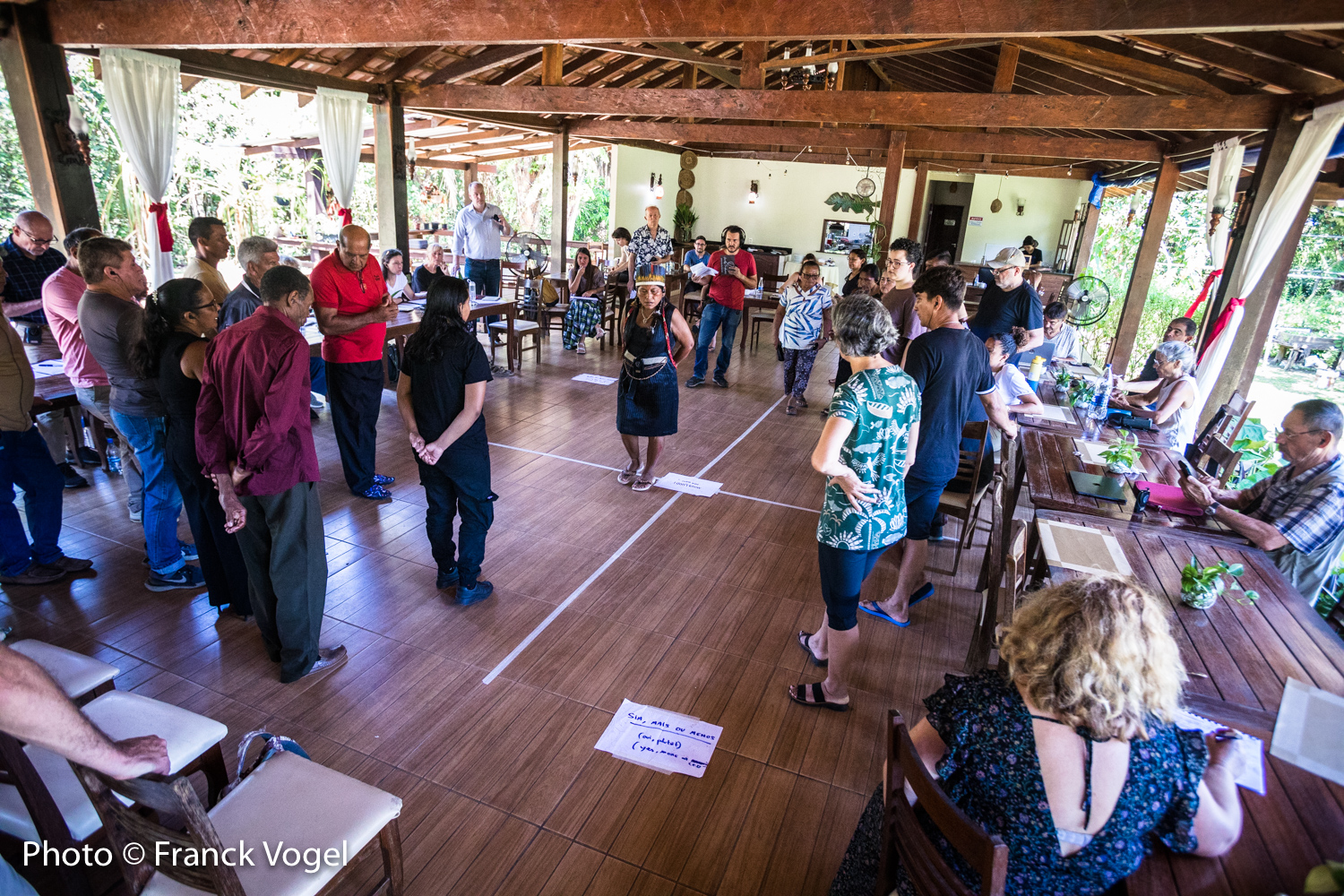
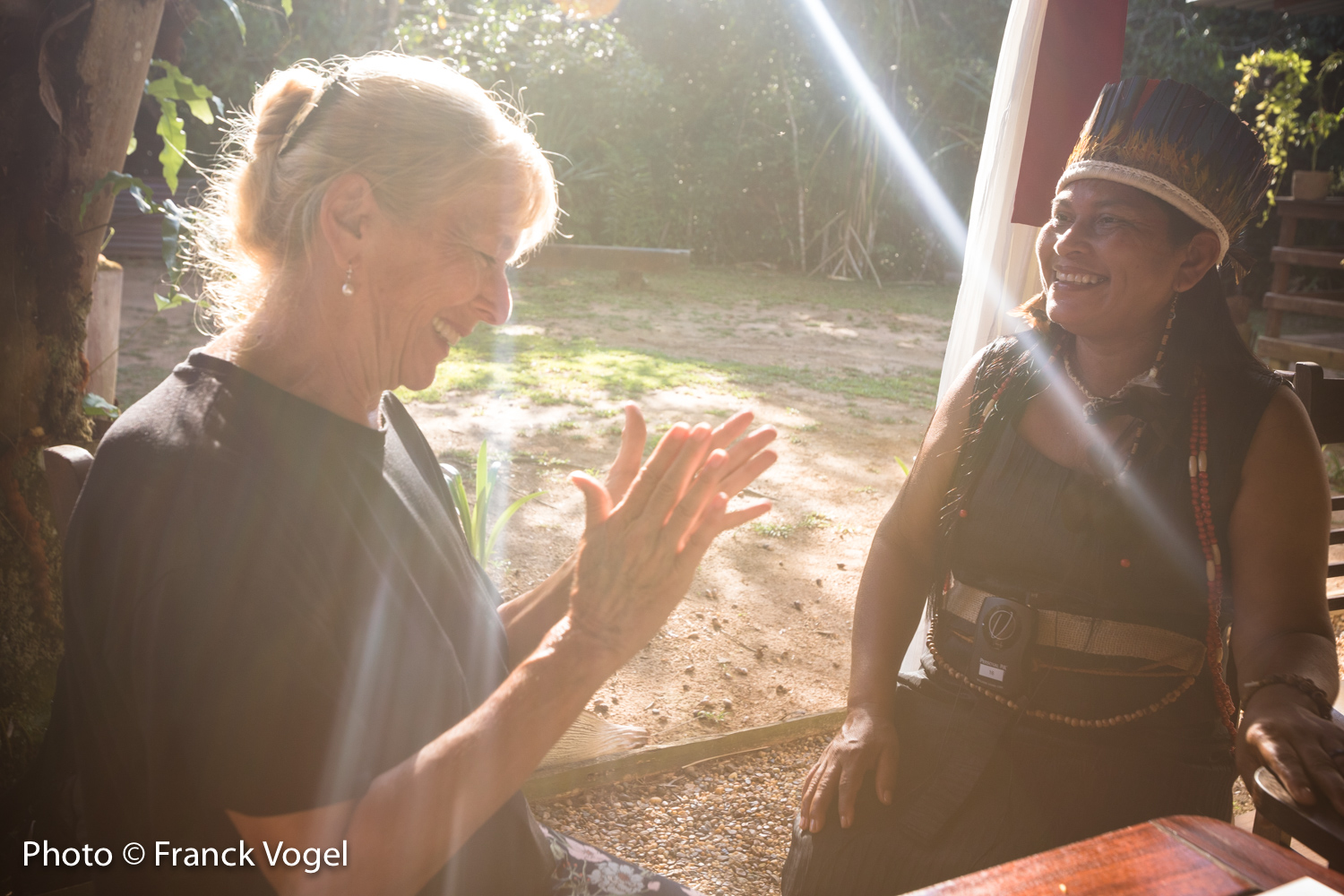
In November 2025, while COP30 sought to safeguard a multilateral approach to undeniably global challenges, we traveled to Brazil, west of Manaus, alongside partners (the University of Manaus, the Chico Mendes Institute for Biodiversity Conservation, and the French National Research Institute for Sustainable Development) to test a new diagnostic tool being developed by our scientific committee: River Pulse. Its purpose is literally to "take the pulse" of waterways and assess their health. Through a participatory assessment combining four dimensions—economic, ecological, sociocultural, and governance—we give a voice to local riverside communities.
The Rio Negro, the dark arm of the Amazon, confided its anxieties to us: drought, pollution... No life is possible along the banks of a sick river! Fish, the primary food source, are becoming scarce; canoes run aground on sandbars... Yet the communities showed us their determination to protect their river and their ways of resisting. That is the voice we went to bear witness to in Belém, taking advantage of COP30 to make ourselves heard more broadly. The health of our planet and its inhabitants rests on the well-being of its rivers. They are not doing well... Still, by mobilizing together, we can yet save them.
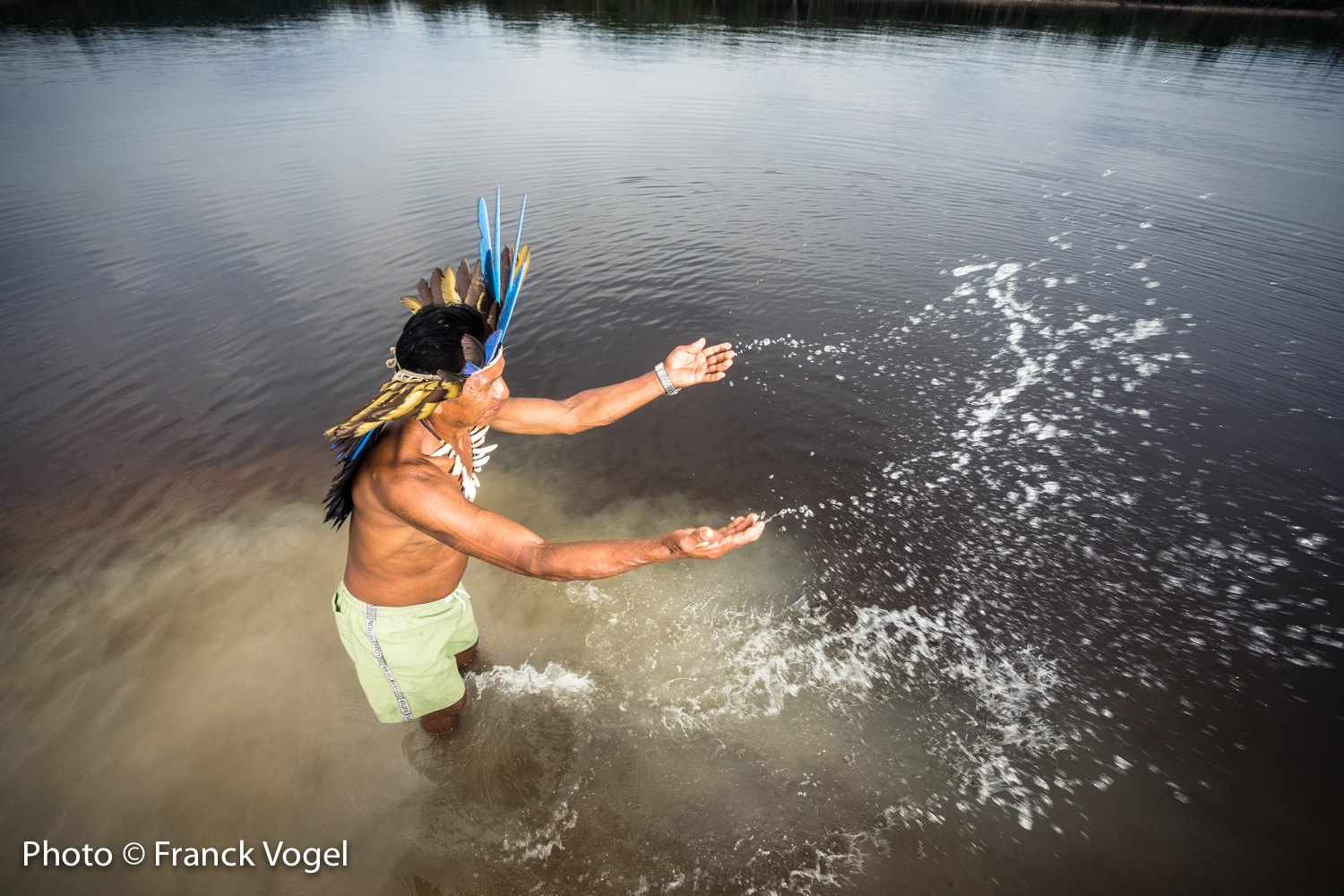
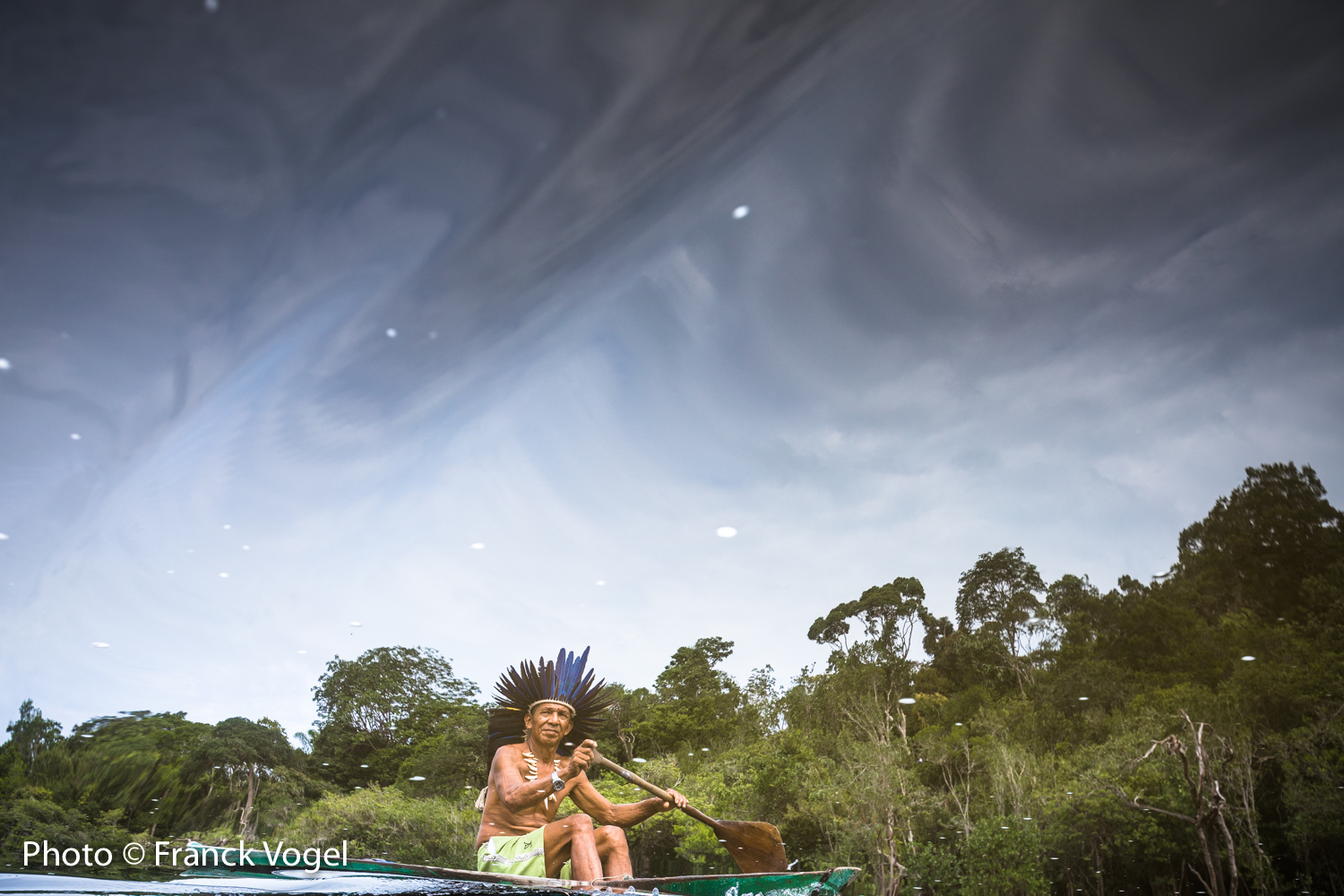
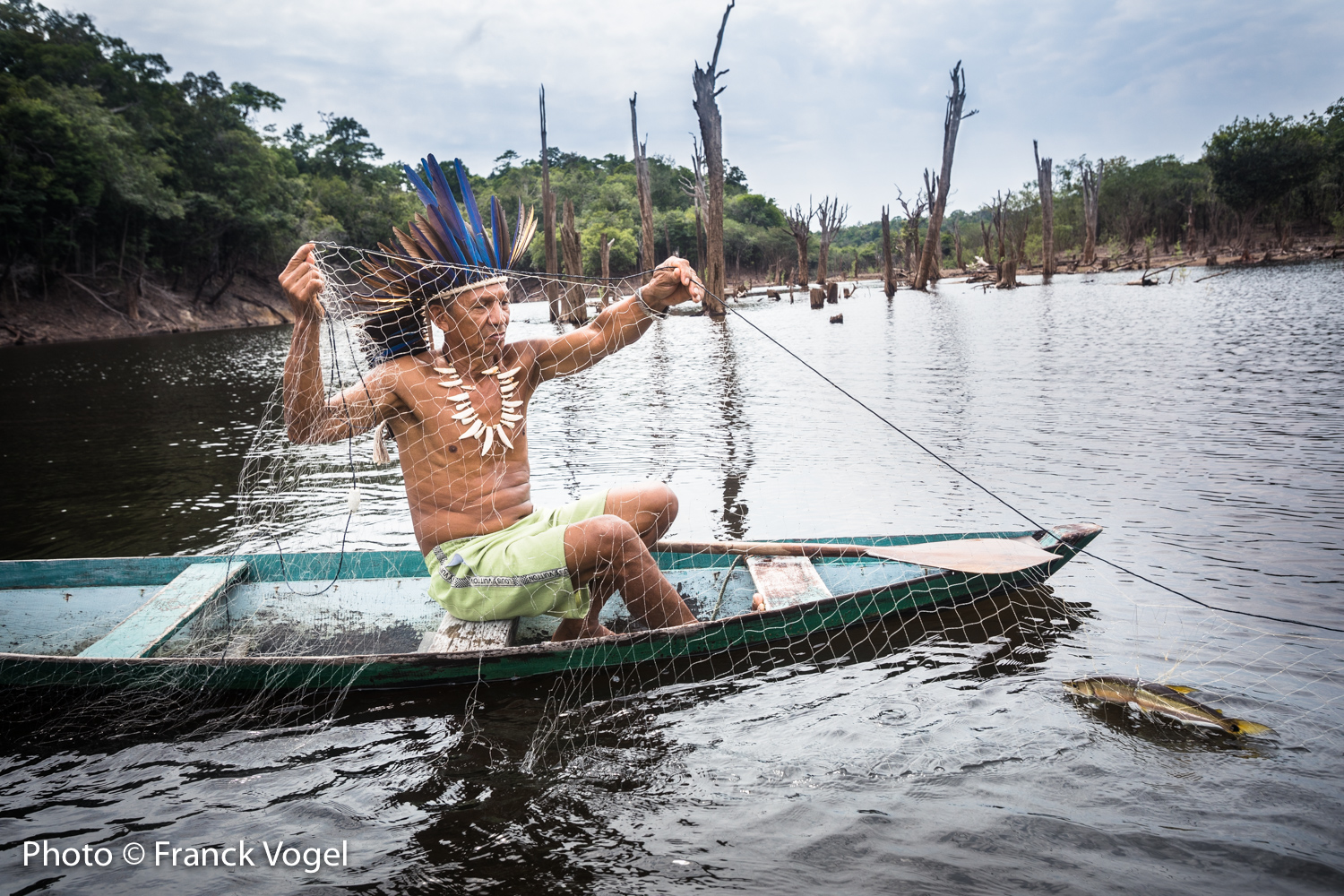

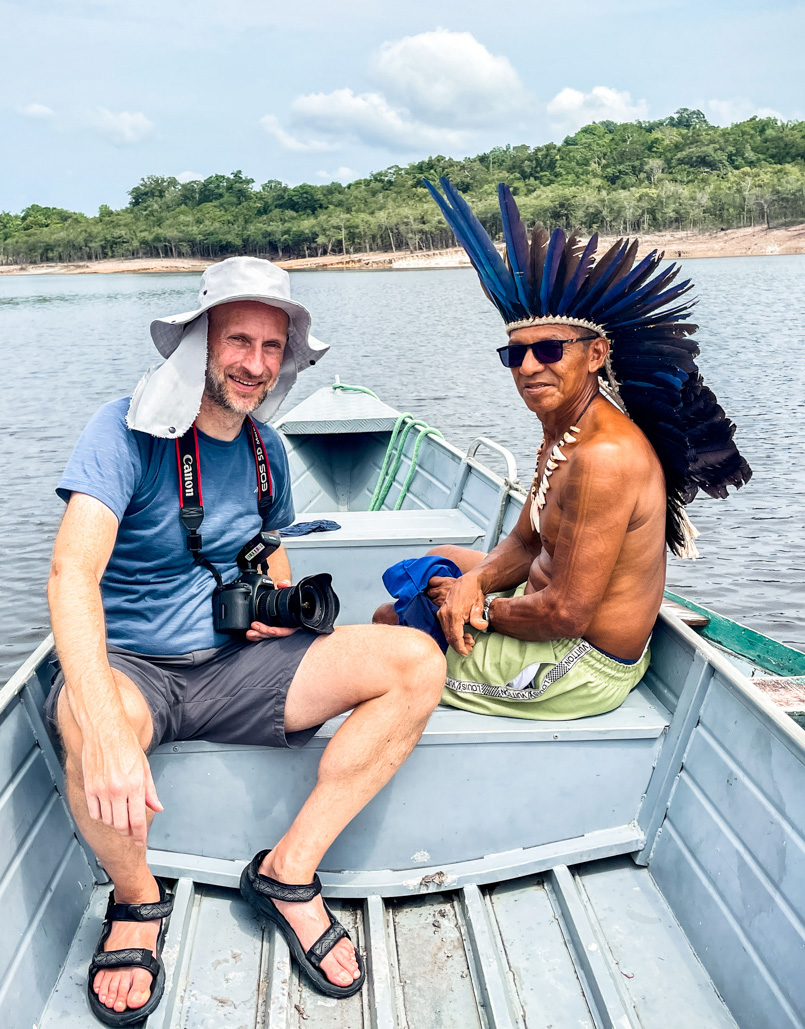
After fishing, Franck chats with Baré Chief José on the way back to Nova Esperança.
Publication GEO France
Nov 2026